
Valentine’s Day is one of the few retail moments where demand is almost guaranteed.
People aren’t casually browsing; they’re searching with purpose.
They already know:
- who they’re buying for
- roughly how much they want to spend
- when they need it delivered
That last part matters most.
This is a short window with hard deadlines, which means performance on Walmart isn’t about clever marketing - it’s about execution.
In my experience, the brands that win Valentine’s don’t do anything fancy. They simply show up consistently, stay in stock, and make the purchase process easy.
It sounds basic, but it works every year.
%25209.29.05%25E2%2580%25AFa.m..png)
Step 1: Fix operations before ads
A lot of teams jump straight into campaigns, but that’s backwards.
Before you touch media, make sure to:
- Validate inventory depth on promoted SKUs
- Confirm shipping and delivery cutoffs
- Remove slow fulfillment items
- Identify last year’s top-converting products
If a product can’t arrive before February 14, it should not be in your ads-period.
Every dollar spent driving traffic to a non-convertible SKU is pure waste.
Valentine’s is about logistics first, media second.

Understand the shopper mindset
This is not a discovery holiday like back-to-school or summer.
It’s quick decision shopping.
Customers want:
- something appropriate
- something affordable
- something that arrives on time
That’s why simple categories win consistently.
Categories that reliably perform
Across Walmart, a few patterns repeat every year:
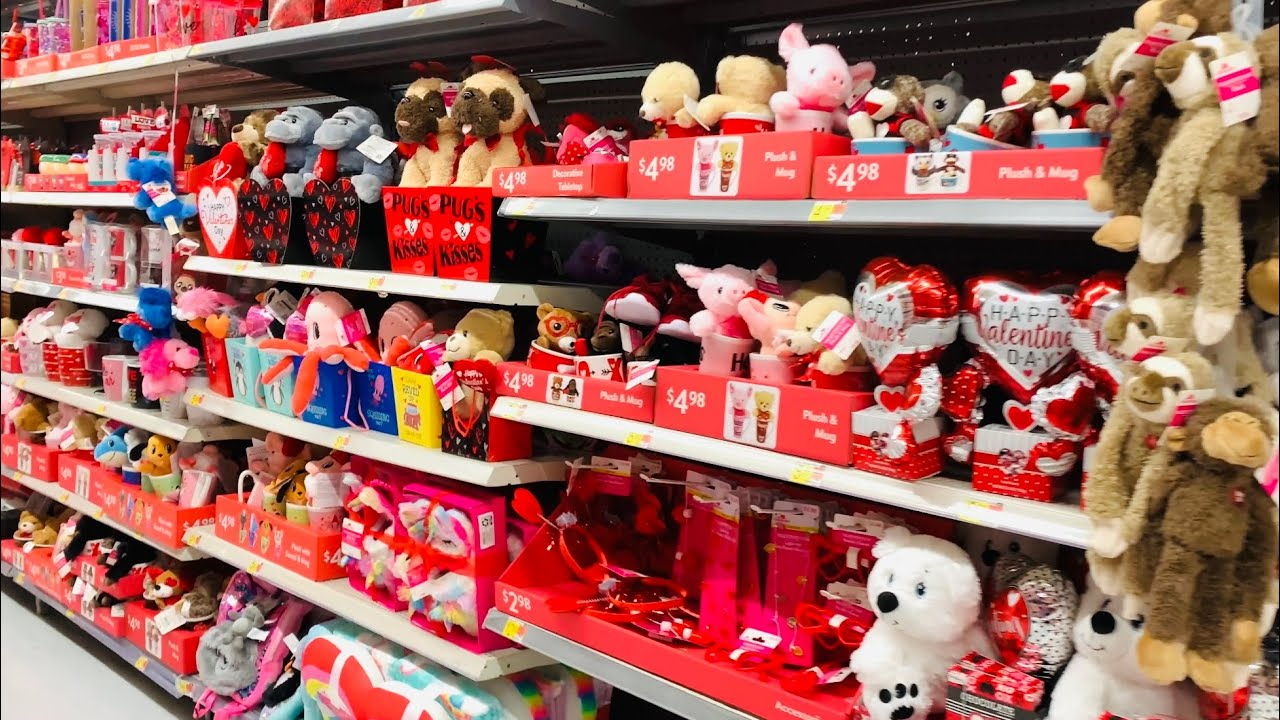
- Chocolate and candy
- Flowers and greeting cards
- Beauty and fragrance gift sets
- Jewelry and small premium items
- Curated bundles under clear price points
- “Self-gifting” products like skincare or wellness
Notice what’s missing?
No complex research purchases, no long comparison cycles.
These are fast decisions, and your ad strategy should match that simplicity.
Channel strategy that aligns with intent
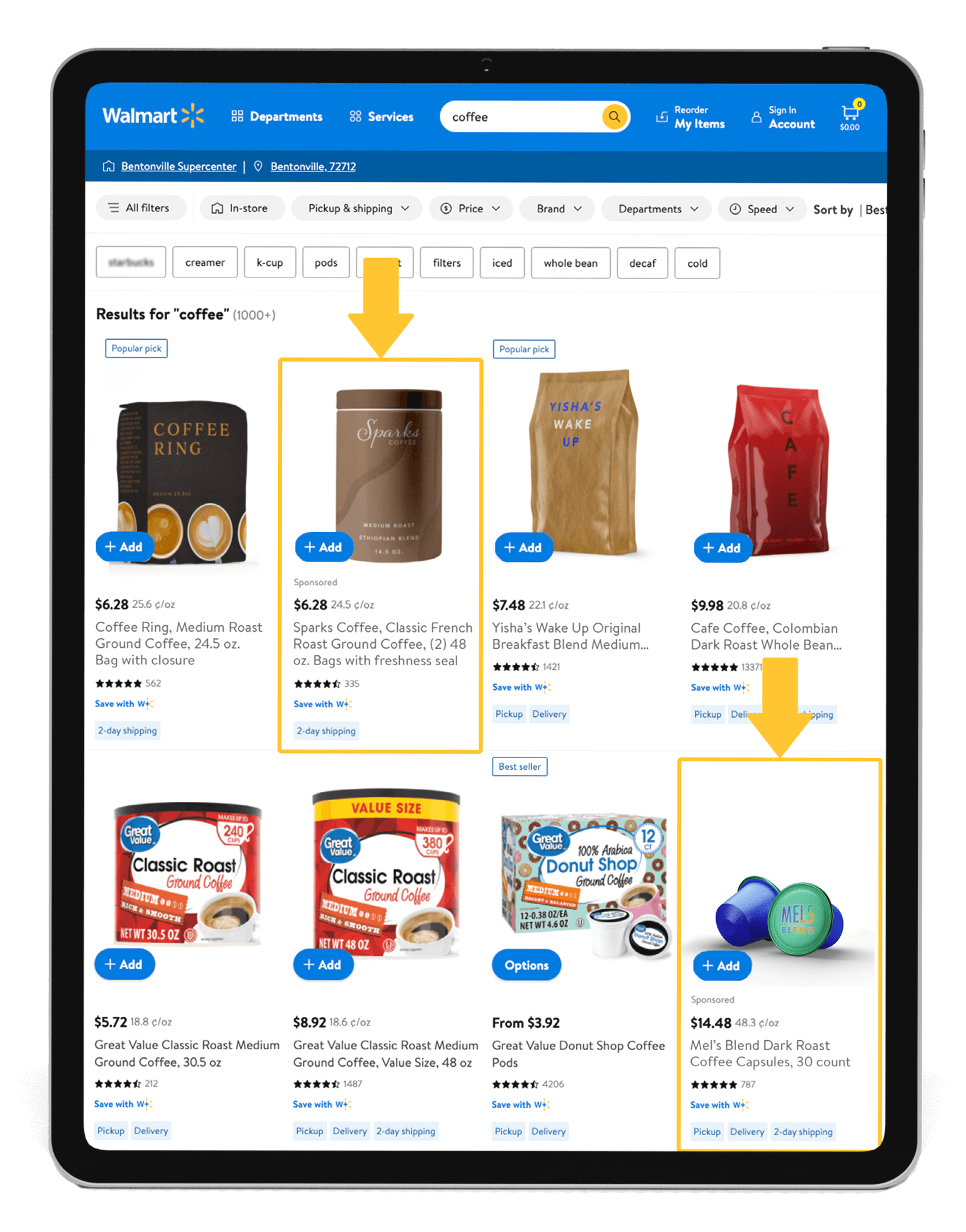
Sponsored Search
This is where most of your revenue will come from.
Search during Valentine’s is extremely high intent - if you’re visible, you convert.
Focus on:
- broad gift terms
- “gift for her / him”
- product + gift combinations
- brand and competitor queries
During the final 10 days, it’s okay if CPCs climb. Protecting share of voice matters more than squeezing efficiency.
You don’t want to lose because you were overly cautious.
%25209.40.29%25E2%2580%25AFa.m..png)
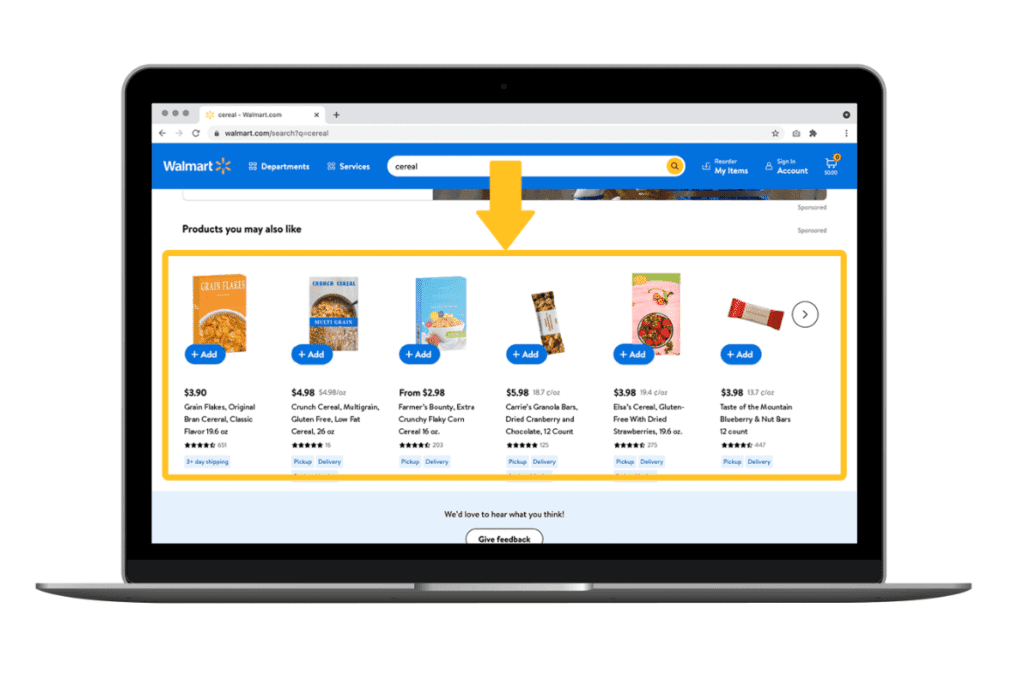
Sponsored Brands
Think of Sponsored Brands as digital shelf space.
Use them to:
- Group best sellers
- Present bundles
- Showcase price tiers
- Simplify choices
This format works best when it reduces thinking.
Don’t overload creative, let products do the work.
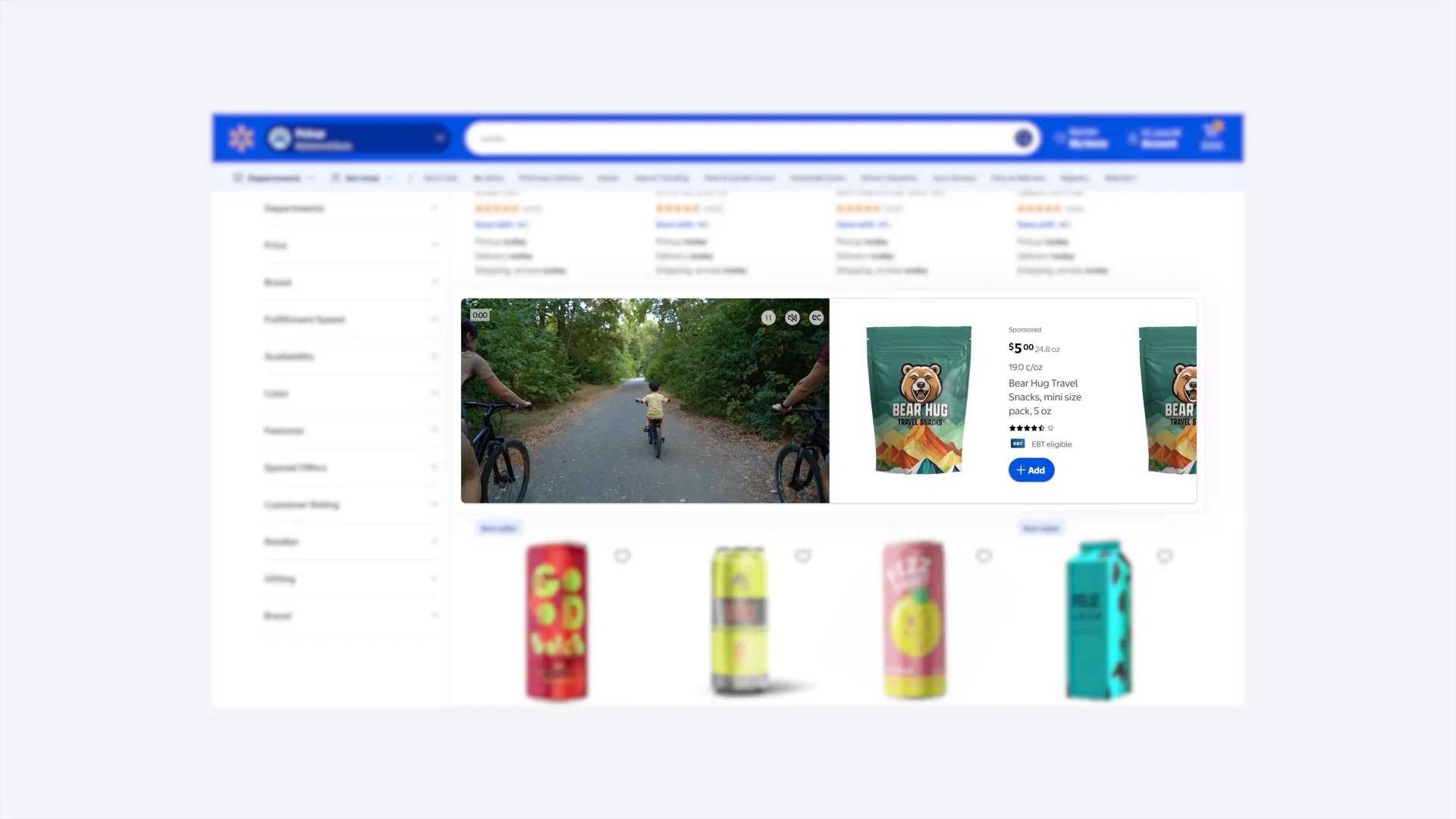
Sponsored Videos
Video is useful, but only when the presentation drives value.
Good fits include:
- Jewelry
- Beauty kits
- Premium chocolates
- Curated sets
Keep it tight. Show the product quickly and get to the PDP.
If it takes 30 seconds to explain, it’s not right for Valentine’s.
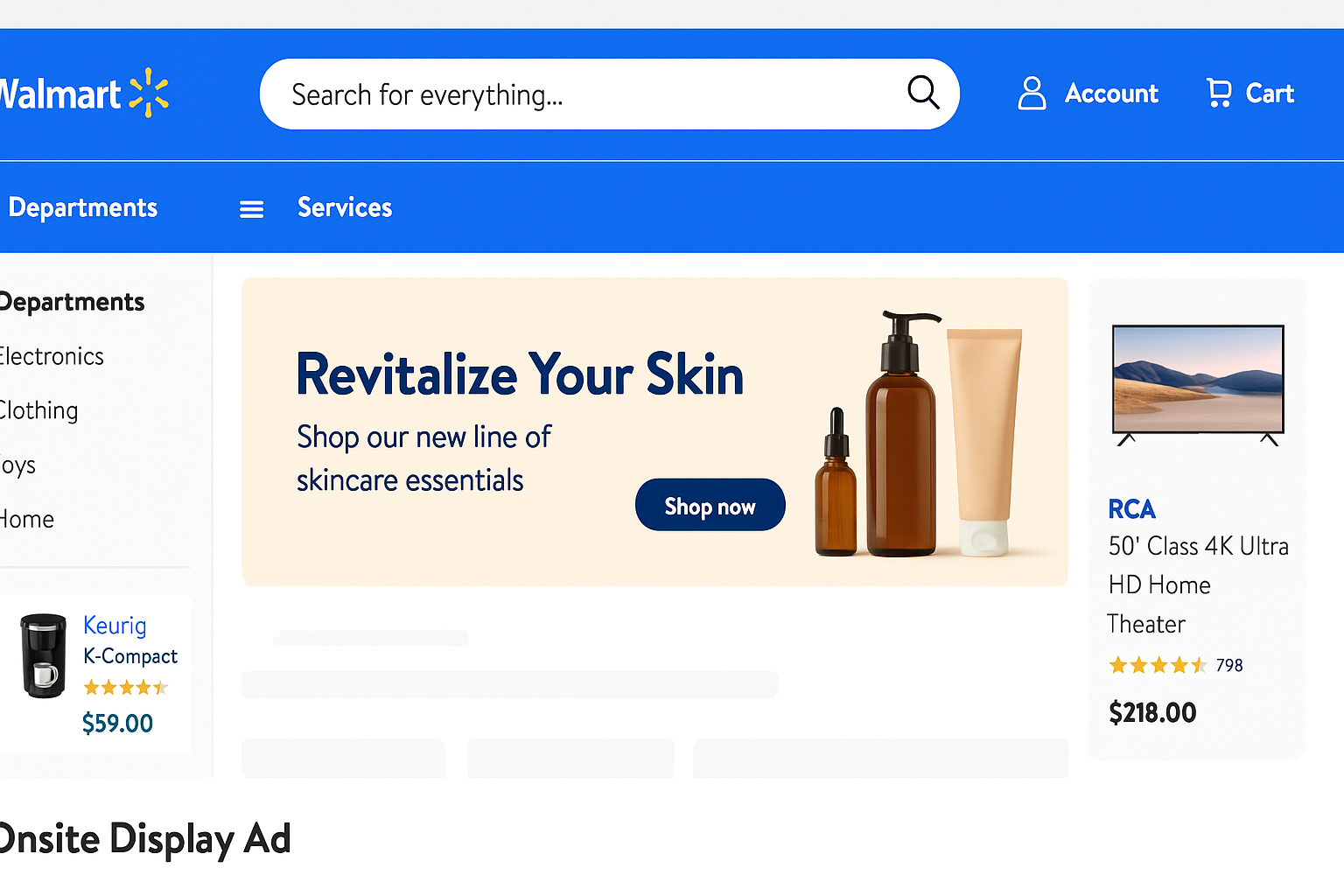
On-site Display (DSS)
Display is a support channel here, not the hero.
Use it for:
- Retargeting page viewers
- Re-engaging cart abandoners
- Light gift shopper prospecting
Treat it as performance media, not branding. Keep budgets controlled.
Budget and pacing strategy
This season rewards timing.
Recommended approach:
- Early weeks: moderate presence
- Last 10 days: aggressive search coverage
- Final 3 days: protect top keywords heavily
Intent spikes late - that’s when most revenue happens.
Don’t spend everything too early trying to be visible “all month.”
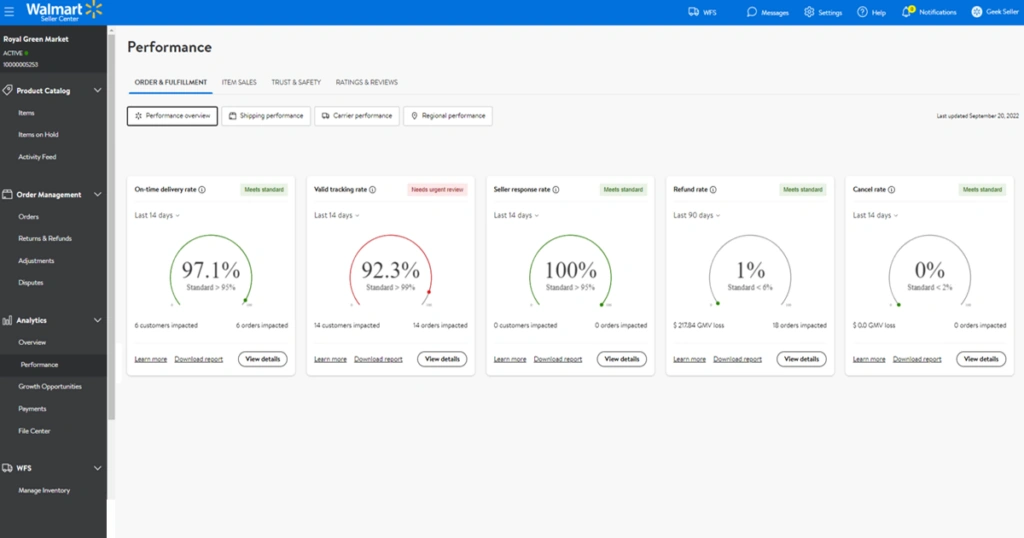
Measurement discipline
What we monitor daily:
- Conversion rate by SKU
- Stock levels
- Search term performance
- CPC movement
- Shipping deadlines
This is not “set and forget.”
Small daily adjustments usually drive the biggest gains.
Closing thought
Valentine’s isn’t about creativity.
It’s about fundamentals:
- Right products
- In-stock availability
- High awareness
- Fast decisions
When those elements are in place, the results tend to take care of themselves.