

When tax season rolls around, a unique opportunity presents itself for sellers. It’s not about urgency or gifting, it's about upgrades. Each year, as refunds start landing, shoppers feel empowered to make bigger, more meaningful purchases, things they've postponed for months.
This shift in behavior signals a change in how you should advertise. While Valentine’s Day drives impulse buying, tax season is all about considered buying. People are looking for higher ticket items, appliances, electronics, and furniture, things that feel like investments.
This is the time to shift your approach. Instead of focusing on fast decisions, you need to go deeper, showcasing value and long-term benefits. Let’s dive into strategies that align with the behavior changes shoppers experience during tax season and how you can maximize your sales.
How Shopper Behavior Changes During Refund Periods
During tax season, shopper behavior changes significantly. Instead of impulsively grabbing quick purchases, shoppers tend to:
- Basket sizes increase
- Research time rises
- Comparison shopping spikes
- Focus on value over price
Since aggressive "buy now" tactics don’t resonate as effectively during tax season, you need to build trust and provide shoppers with reasons to upgrade. Consumers want to ensure they're making smart investments, so credibility and features matter more than urgency. Trust drives conversions during this season, not the rush to make a quick purchase.
%25203.24.34%25E2%2580%25AFp.m..png)
Categories That Typically Benefit
Tax season isn't about last-minute gifts, it's about meaningful purchases. Categories that consistently perform well during this time include:
- TVs and electronics
- Appliances
- Furniture
- Mattresses
- Home improvement items
- Sporting goods
- Seasonal wardrobe refreshes
These are products that customers see as investments, and they’ll feel more comfortable purchasing them with their tax refunds. Make sure to have these items front and center in your campaigns.
%25203.27.02%25E2%2580%25AFp.m..png)
Channel Strategy That Matches the Journey
Sponsored Search
Sponsored Search remains a key player during tax season, but the keyword logic changes. While you’re targeting high-purchase-intent shoppers, now you should focus on evaluation intent. Think search terms like:
- “Best [product]”
- “Top-rated”
- “Under $X”
- “Upgrade [product]”
Actionable Tip: Make sure your product ads appear while shoppers are in the research phase. Position your products as top-rated and best-value options, not just impulse buys.
%25203.28.46%25E2%2580%25AFp.m..png)
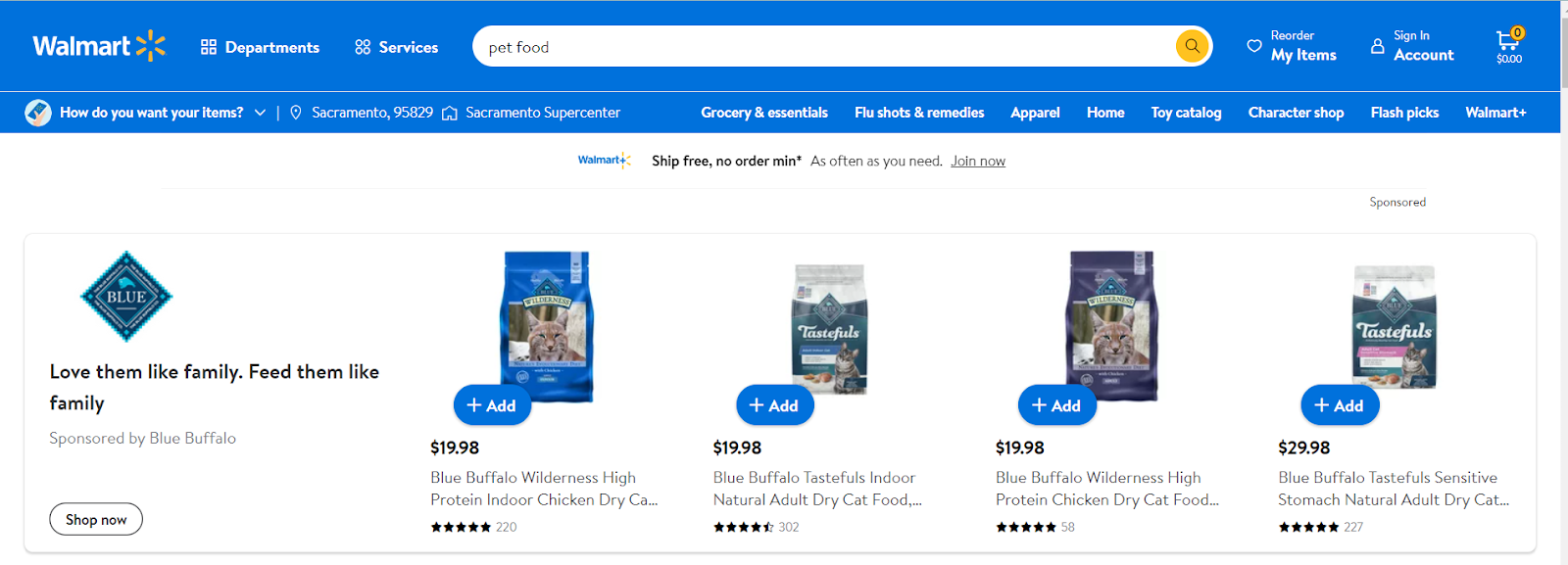
Sponsored Brands
Sponsored Brands are perfect for structured merchandising. This is where you can showcase product ranges, bundles, and value tiers. Use Sponsored Brands to help shoppers trade themselves up naturally, lifting your AOV without deep discounting. You can present:
- Good/Better/Best options
- Highlight product bundles that offer value
- Showcase pricing tiers to position your brand as offering value at different price points
Actionable Tip: Use Sponsored Brands to guide customers to better-value options while promoting the entire range of your products. This strategy helps to lift your AOV without slashing prices. It’s about showing value and offering choice rather than just discounts.
Sponsored Videos
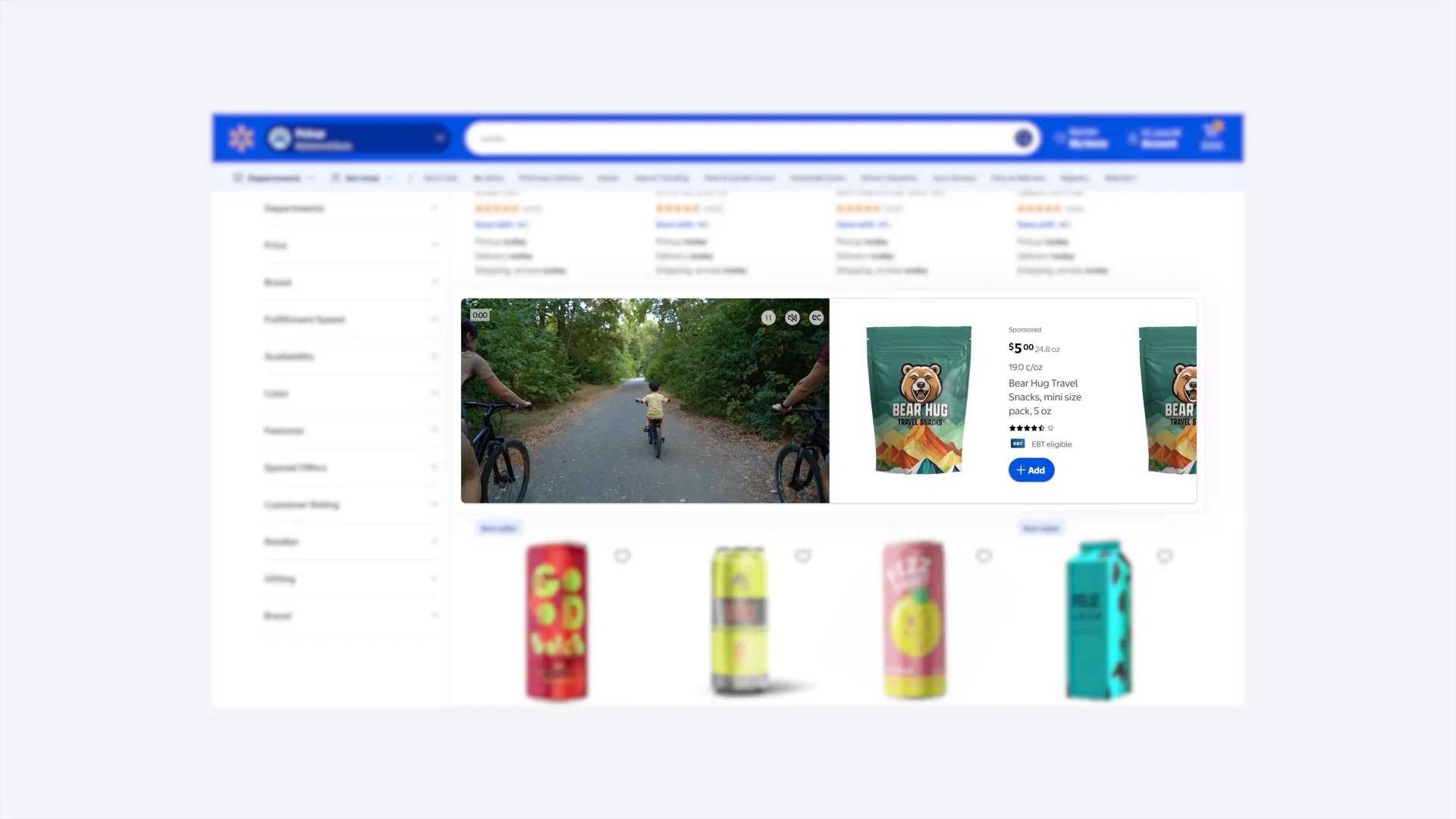
Video ads become more valuable during tax season because customers are making larger purchases. They want proof of product quality before committing. Video can help by:
- Demonstrating features
- Showing real-life use of the product
- Explaining durability
- Reducing perceived risk by showcasing the product’s value
Actionable Tip: For products like electronics, appliances, and furniture, use video to demonstrate the product in action and explain its benefits. Show how the product fits into the customer’s life and why it’s worth the investment. Keep the video focused on proof, not just selling.
On-site Display (DSS)
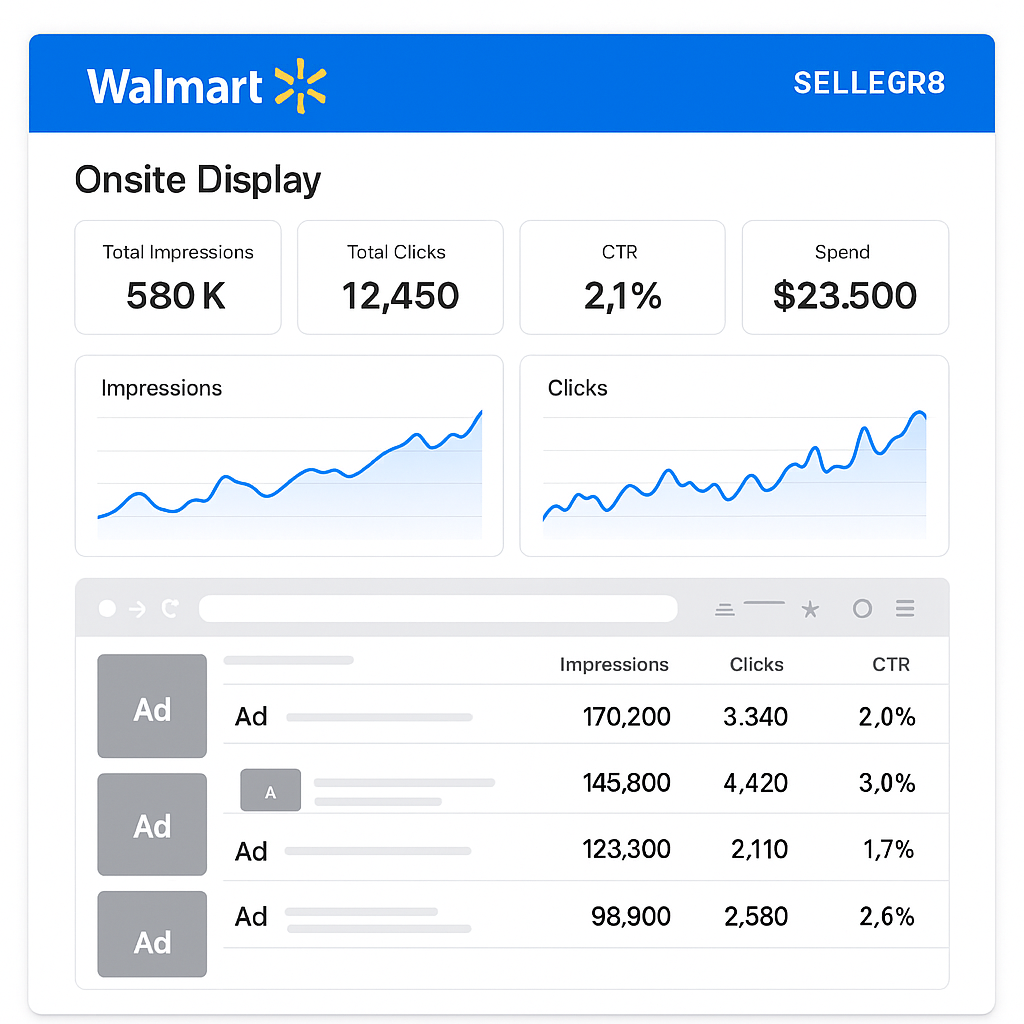
Display ads play a more significant role during tax season, especially since customers take time to make larger purchases. People aren't typically buying $600 or $1,000 items on the first visit, which makes retargeting crucial during this decision-making process. Focus on:
- PDP viewers (People who viewed product detail pages but didn’t buy)
- Category browsers (Customers browsing similar categories)
- Lookalike high-value shoppers (Targeting those who match the profile of your high-value buyers)
Actionable Tip: Use on-site display ads as performance media, not for branding. Retarget shoppers who showed interest but didn’t convert. Keep your budget controlled and focus on driving conversions from those already considering a purchase. Consistency beats short bursts, stay visible through the decision process.
Pricing and Promotion Strategy
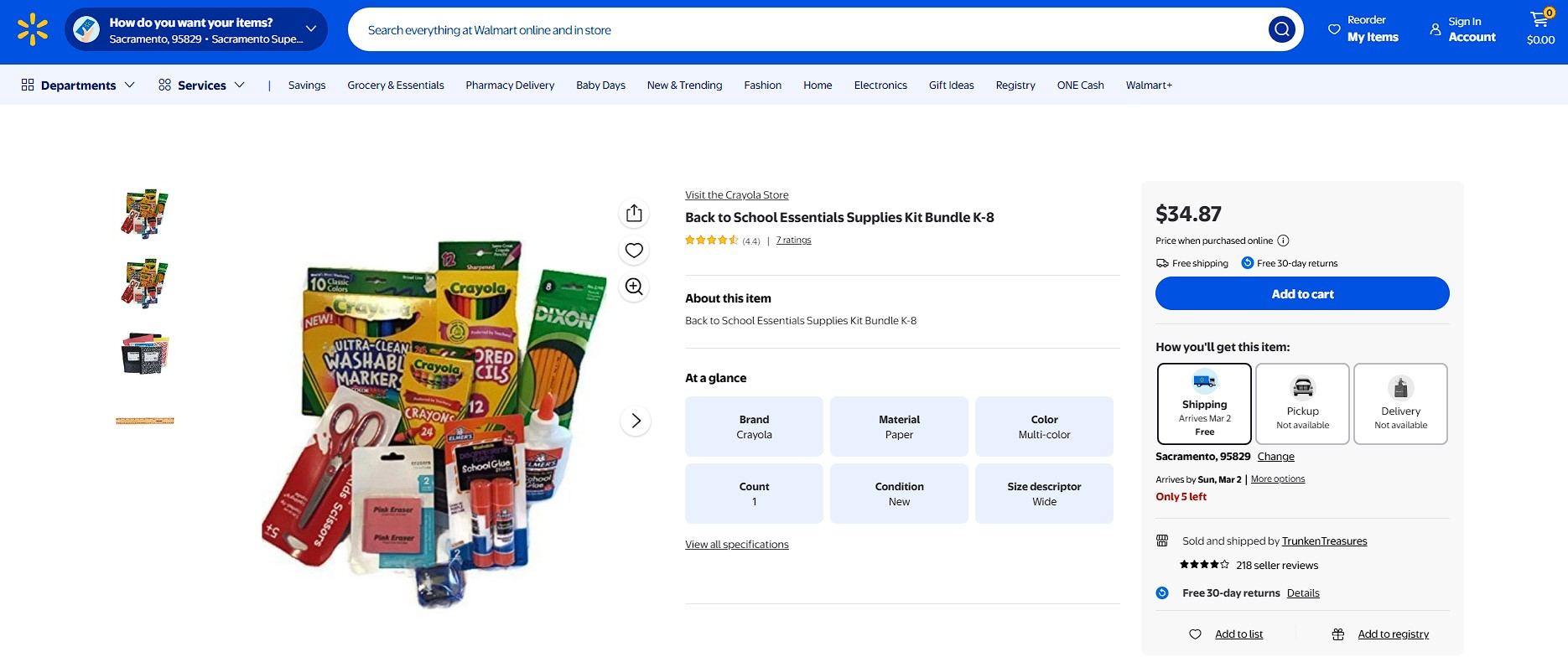
Refund buyers don’t always seek the cheapest product. Instead, they are looking for the smartest option. Your pricing and messaging should focus on:
- Bundles
- Added value
- Warranties
- Financing
- Limited-time upgrades
Actionable Tip: Position products as "worth it" instead of “discounted”. Show customers they are making a smart choice, not just saving money.
Budget and Pacing
Tax season is a marathon, not a sprint. Unlike holiday season sales, don’t compress your spending into just one week. Instead:
- Plan for steady presence over 6 to 8 weeks
- Bid more aggressively during peak refund drops
- Focus on sustained retargeting throughout the entire season
Actionable Tip: Focus on the final 3 days of tax season, as that’s when the majority of revenue happens. Protect your top keywords during this critical period.
What We Measure Differently During Tax Season
Tax season success isn’t just about Return on Ad Spend (RoAS). Track these key metrics to ensure your campaign is on track:
- Average Order Value (AOV)
- Revenue per Click
- Time to Conversion
- Assisted Conversions
- Repeat Visits
Bigger purchases often take more time to convert. So, give your campaigns the time to work.
Closing Thought
Tax season rewards patience and clarity. Be visible, show value, and give shoppers reasons to upgrade. When you stay consistent and focused on the fundamentals, the results will follow naturally, and you’ll see bigger baskets and smarter growth.