Selling on a single marketplace leaves money on the table. Today’s most successful ecommerce brands reach customers wherever they shop, Amazon, Walmart Marketplace, eBay, Target Plus, and their own Shopify or BigCommerce stores.
Multi channel online selling involves managing inventory, orders, and brand presence across multiple platforms simultaneously. Done right, it amplifies revenue and reduces dependence on any single channel. Done poorly, it creates operational chaos that erodes margins faster than you can add sales channels.
This guide shows you how to build a multi channel selling strategy that scales profitably, from choosing the right marketplaces to synchronizing inventory and measuring what actually matters. To achieve this at scale, many brands utilize professional Walmart account management services to eliminate the daily operational friction of multi-platform execution.
Why Multi Channel Marketplace Selling Matters More Than Ever
Amazon still dominates online retail, but shoppers do not live on Amazon alone. Walmart.com grew marketplace sales by 30% year-over-year in 2024, Target Plus attracted premium brands with curated selection standards, and vertical marketplaces like Etsy captured specific customer segments Amazon cannot serve effectively.
Relying on one platform exposes you to algorithm changes, policy shifts, and account suspensions that can tank revenue overnight. If a disruption occurs, specialized account reinstatement strategies are required to restore selling privileges and protect your revenue. A multi-platform selling approach spreads risk across channels while meeting customers where they already browse. Brands selling on three or more marketplaces report significantly higher revenue growth than single-channel sellers.
The challenge involves expanding without drowning in operational complexity. Each marketplace has different listing requirements, fee structures, advertising platforms, and customer expectations. Walmart Marketplace demands different content optimization than Amazon. Shopify gives you brand control but requires you to drive your own traffic. Managing all of this manually does not scale. Partnering with a specialized Walmart marketplace consultant helps brands navigate these nuances with a "brand owner background" to drive measurable results.
Choosing the Right Marketplaces for Your Multi Channel Selling Strategy
Not every sales channel deserves your attention. Start by matching marketplace strengths to your product category, price point, and target customer.
Walmart Marketplace works exceptionally well for household essentials, consumables, electronics, home improvement, and value-oriented products. The platform has lower seller saturation than Amazon in most categories, creating better visibility for newer sellers. Approval standards are strict, but brands that clear the bar access a massive customer base with less competition. Sellcord’s expertise significantly increases approval odds and handles account setup so sellers avoid common pitfalls.
Amazon remains essential for product discovery. Customers search Amazon first when researching purchases. High traffic comes with high competition and aggressive fee structures. Treat Amazon as a discovery engine and retention channel, not your only revenue source.
eBay thrives on specific niches: collectibles, refurbished goods, automotive parts, and unique inventory. Fees are more transparent than Amazon, and listing flexibility is higher.
Your own ecommerce store through Shopify, BigCommerce, or WooCommerce gives you complete brand control, customer data ownership, and higher margins per sale. An owned store should anchor your omnichannel ecommerce platform strategy. Marketplaces deliver volume; your store builds equity. Creative services that focus on brand building, including copywriting and ad design, facilitate a cohesive customer experience across these owned and third-party channels.
Map your product catalog to marketplace fit before spreading thin. Launch on two to three platforms where your products have natural advantages, then expand as you validate demand and operational capability.
%25202.57.14%25E2%2580%25AFp.m..png)
Building Your Multichannel Listing Software and Inventory System
Operating across multiple marketplaces without centralized systems creates inventory disasters. An order comes through on Walmart, but your inventory count has not updated on Amazon, leading to stockouts and cancelled orders.
Multichannel inventory systems sync stock levels in real time across every sales channel. This prevents overselling and eliminates manual spreadsheet updates. Precise inventory management optimizes stock levels against demand, minimizing excess capital while verifying that your seller account never misses a sale.
Multichannel listing software handles the grunt work of creating and updating product listings across platforms. These tools adapt content to each marketplace's specifications. Effective listing optimization verifies that your product content satisfies Walmart's specific algorithm, which weighs factors differently than Amazon.

Multi Channel Selling Strategy: Pricing, Brand Consistency, and Channel Conflict
Selling across multiple platforms creates pricing tension. Most successful brands maintain consistent base pricing across channels, then adjust through marketplace-specific campaigns. Customers compare prices across sites; consistency builds trust.
Marketplace fees vary significantly. Amazon's referral fees plus FBA costs can eat 35-40% of gross sales. Walmart Marketplace averages 8-15% depending on category. These differences affect net margin, but most brands absorb the variance rather than passing it to customers through fragmented prices. Competitive pricing strategies should prioritize profitability over vanity metrics to support sustainable growth.
Brand presentation must stay consistent. Rich Media creation and hosting, including 360-spin images and video, boosts engagement and conversion rates across the entire catalog. Inconsistent presentation erodes trust and makes you look like a grey market reseller of your own products.

Cross Channel Inventory Management and Multi Channel Order Fulfillment
Inventory allocation across channels requires strategy beyond simple stock syncing. Fast-turning SKUs should have inventory allocated to every active channel. Slow-turning SKUs might live on just one or two channels to consolidate demand.
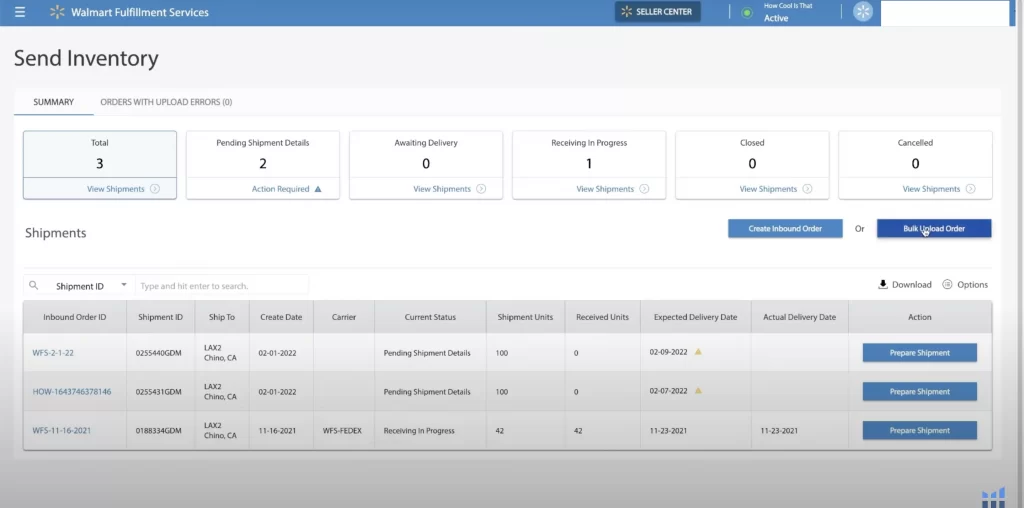
Most brands use a primary fulfillment method. Fulfillment by Amazon (FBA) can service other marketplaces through multi-channel fulfillment. Walmart Fulfillment Services (WFS) works similarly for Walmart-heavy sellers.
Centralized fulfillment through one 3PL simplifies operations. Your inventory sits in one location, and the 3PL ships orders regardless of which marketplace they came from. However, you may lose access to marketplace-specific programs like Walmart’s free two-day shipping and the Pro Seller Badge, which drive higher conversion rates.
Analytics and Performance Tracking Across Your Multi Platform Selling Tools
You cannot improve what you do not measure, but measuring performance across multiple marketplaces creates data fragmentation. Track total sales velocity, true profit per channel after fees, and conversion rates by marketplace.
Transparency is key to making informed business decisions. Dashna provides advanced performance tracking as an all-in-one analytics platform, consolidating real-time sales, P&L tracking, and keyword positions. This verified data allows every Walmart marketplace seller to see exactly which activities are driving results, moving away from guesswork.
Beyond digital metrics, successful brands track the bridge between marketplace success and physical retail. Through OnShelf, brands receive support for in-store activations and market analysis to launch physical retail strategies based on digital performance data.
%25203.55.45%25E2%2580%25AFp.m..png)
%25203.54.52%25E2%2580%25AFp.m..png)
Common Multi Channel Selling Mistakes That Kill Profitability
Expanding too fast overwhelms operations. Launch on one or two platforms, nail the operational execution, then expand methodically.
Ignoring marketplace-specific content requirements tanks performance. Copying Amazon listings directly to Walmart without adapting to Walmart's specific standards creates poor results. Treat each marketplace as a unique channel with its own SEO strategy and keyword research.
Underfunding advertising budgets on new channels kills growth. Budget for paid advertising on every new channel until organic rankings develop. Manage Walmart ads by prioritizing ROI and profitability, utilizing proprietary tools to execute full-funnel strategies that drive marketplace acceleration.
Losing track of profitability per channel leads to unsustainable growth. Use automated audits for reimbursement management, such as Refund Stacker, to find and file claims for lost income and protect your margins.
%252011.52.57%25E2%2580%25AFa.m..png)
%252011.53.15%25E2%2580%25AFa.m..png)
How SellCord Helps Brands Scale Multi Channel Operations on Walmart
Most brands expanding to Walmart Marketplace struggle with approval, listing optimization, and managing advertising profitably while balancing other channels.
As a Walmart-approved partner agency, Sellcord specializes exclusively in the Walmart ecosystem. Our services hub covers account setup, listing optimization, and advertising management so Walmart integrates smoothly into your multi channel strategy without creating operational burden.
Brands we onboard see significant growth in visibility and sales compared to self-managed launches. By offloading Walmart store management to our experts, you free up your time to focus on high-level growth levers and broader business goals.
Multi Channel Online Selling - FAQs
How many marketplaces should I sell on simultaneously?
Brands should start selling on two or three of the right channels that align with their specific product category. Focusing on one channel limits your reach, but spreading resources across too many different channels before mastering operations creates friction. Prioritize platforms where your potential customers already browse to find new customers and drive sustainable business growth.
What is the biggest challenge in multi-channel selling?
Centralized order management represents the most significant hurdle in multichannel selling when managing multiple sales channels. Fragmented inventory data across different channels leads to stockouts and cancelled orders, which damages your seller rating. You need a seamless data flow across multiple channels to maintain a reliable customer experience and protect your margins.
Do I need different product listings for each marketplace?
Yes, because customers have different expectations on different platforms. Online marketplaces like amazon often require different keyword densities and technical specifications compared to Walmart. Tailoring your products across these platforms like Walmart improves the shopping experience and directly influences your search ranking.
How do I prevent marketplaces from competing with each other?
Coordinate your marketing strategies to support multiple sales without undercutting your own online store. Maintaining consistent base pricing across all your channels builds buyer trust and minimizes channel conflict. You can use social media platforms to drive traffic to specific seasonal promotions without creating permanent price discrepancies between different platforms.
Can SellCord help me manage Walmart alongside my other sales channels?
We provide specialized expertise for the Walmart online marketplace to help you increase sales across multiple sales channels. While you manage your business on marketplaces like amazon, Sellcord acts as an extension of your team to handle Walmart-specific execution. This integrated model provides the transparency needed to scale across different channels without increasing your internal operational burden.
How do I bridge my online presence with a physical store?
Successful brands use their mobile app and online performance data to inform their physical store strategy. Through the OnShelf solution, we help brands bridge the gap between online marketplaces like Walmart and actual retail locations. This end-to-end support allows you to leverage digital performance metrics to drive successful in-store activations.
Ready to capture the growing Walmart customer base? Partner with Walmart-first specialists to achieve predictable, profitable growth today.