
Choosing between Walmart Marketplace and Amazon isn't just about preference, it's about profit. Both platforms dominate American eCommerce, but they operate with different fee structures, seller requirements, fulfillment models, and competitive landscapes.
For brands evaluating where to invest time and resources, understanding the functional differences between Walmart Marketplace and Amazon determines whether you'll achieve healthy margins or watch fees erode your bottom line. This guide breaks down the concrete differences between selling on these two giants, from commission rates and approval difficulty to traffic volume and multi-channel strategy.
Fee Structure: Where Your Money Actually Goes
Walmart Marketplace charges a referral fee ranging from 6% to 20% depending on category, with most products falling between 8% and 15%. A critical advantage for many is that Walmart requires no monthly subscription fee to maintain an active seller account. You pay only when you sell.
Amazon operates with a different overhead model. Most sellers pay a monthly Professional Seller subscription of $39.99 in addition to referral fees between 8% and 15% for common categories. Beyond the referral fee, Amazon layers on additional costs: FBA fulfillment fees, storage fees (which spike during Q4), and long-term storage fees. The transparency of Walmart's fee structure appeals to brands tired of decoding complex, multi-layered cost models.
When comparing selling fees, Walmart typically delivers better net margins on identical products. SellCord optimizes for profitability and sustainable scale by factoring in these fees and operational costs rather than just focusing on vanity metrics. For brands moving significant volume, these percentage points compound quickly.

Fulfillment and Logistics: WFS vs FBA
Fulfillment by Amazon (FBA) is a mature third-party logistics solution where Amazon picks, packs, and ships orders. While Prime eligibility drives conversion rates, costs continue to climb through storage fees and tight inventory requirements.
Walmart Fulfillment Services (WFS) serves as Walmart's competitive answer to FBA. Listings using WFS qualify for free two-day shipping and the Pro Seller Badge. Walmart prioritizes sellers with strong performance history and products that align with Walmart's specific shopper demographics.
Both platforms allow for self-fulfillment. Walmart makes this viable through programs that permit sellers to earn the Pro Seller Badge if they meet delivery speed and reliability thresholds. Navigate the complexity of the Walmart Marketplace with a partner that acts as an extension of your team to manage the daily operational burden of these logistics, including inventory management and pricing.
Traffic, Competition, and Market Saturation
Amazon attracts over 200 million unique monthly visitors in the US alone. However, the platform is highly saturated with over 2 million active third-party sellers.
Walmart Marketplace sees roughly 120 million monthly unique visitors, but seller competition is significantly lighter. Walmart maintains a curated marketplace with approximately 150,000 approved sellers. The approval process remains selective, as Walmart rejects applications that do not meet strict quality, compliance, or catalog fit standards.
Lower competition translates to better organic visibility for new sellers on Walmart.com Products that might struggle on Amazon search results can achieve better placement for equivalent queries on Walmart.com. SellCord leverages a "brand owner background" to help sellers scale specifically within this ecosystem.
%252010.23.13%25E2%2580%25AFa.m..png)
Seller Requirements and Approval Process
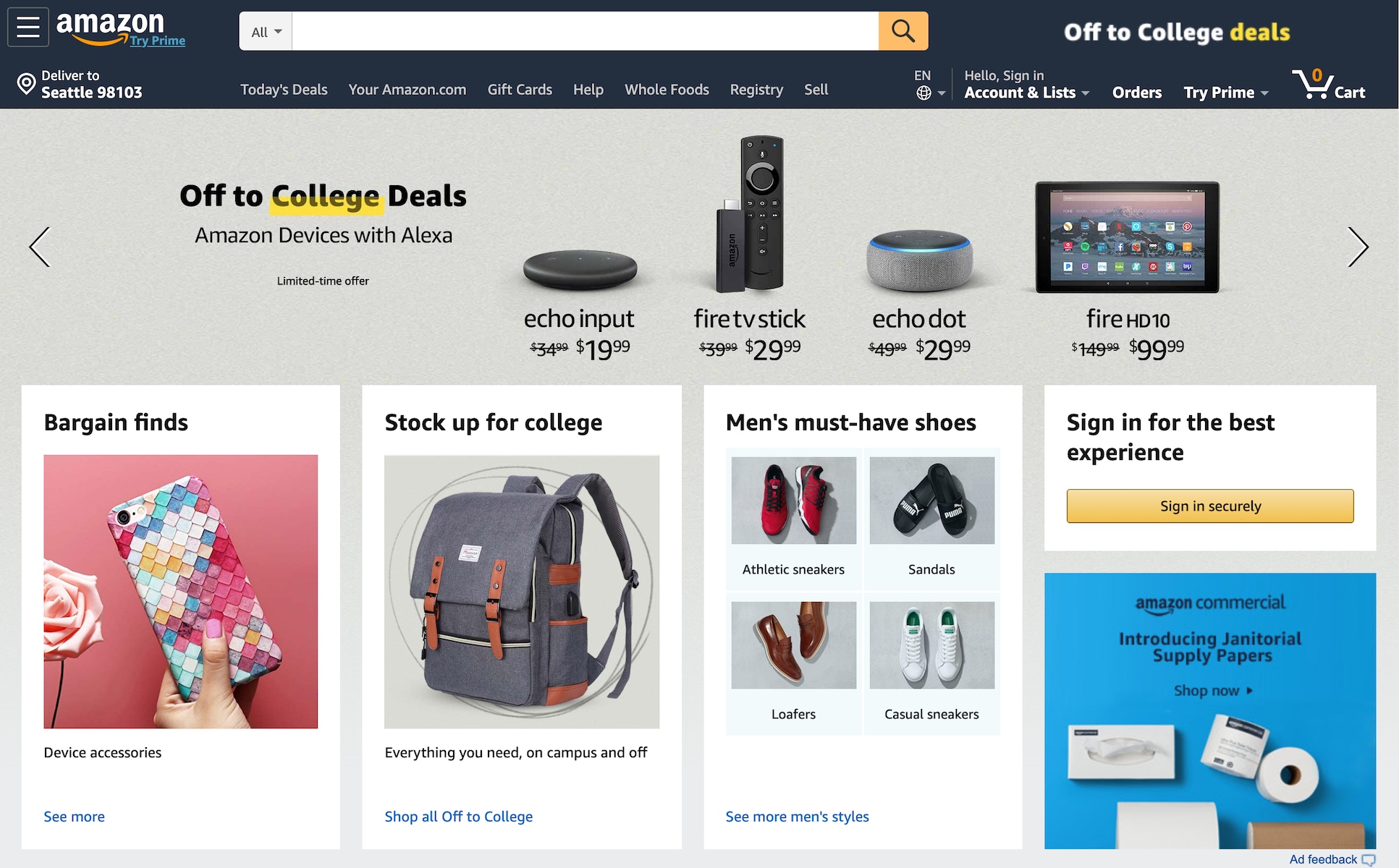
Amazon's seller approval is relatively straightforward, often occurring within 24-48 hours. The baseline entry barrier remains low.
Walmart Marketplace operates with stricter gatekeeping. The application requires a registered US business, a demonstrated eCommerce track record, and the operational capacity to meet Walmart's customer service standards. Walmart reviews seller history on other platforms, looking for sustained positive feedback. SellCord's expertise significantly increases the odds of Walmart account approval and clean setup, helping brands avoid common rejection pitfalls.
If your brand faces compliance hurdles, you can protect your brand revenue by leveraging our specialized brand-owner background to resolve account health issues.
Advertising and Marketing Tools
Amazon Advertising offers sophisticated CPC auction models with detailed targeting options. However, high competition often drives cost-per-click rates to extreme levels in popular categories.
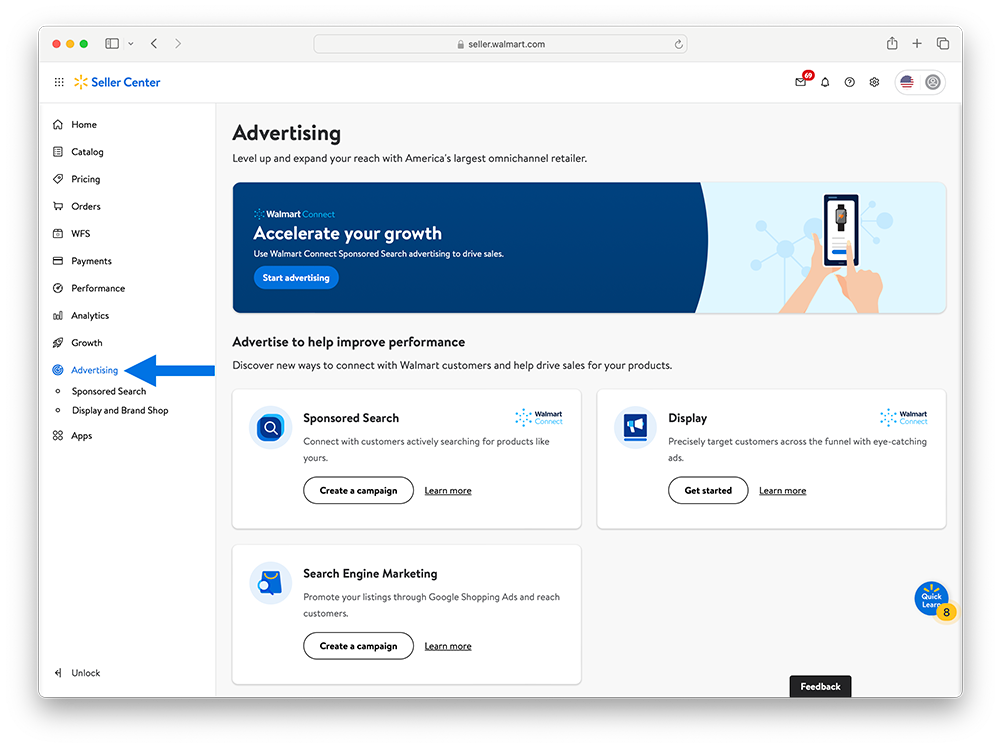
Walmart Advertising Solutions, managed through Walmart Connect, provides Sponsored Products and Sponsored Brands with a similar structure but often at lower average CPCs. SellCord, a Walmart-approved partner agency and 2025 award winner for "Excellence in Marketplace Acceleration," manages these campaigns by prioritizing ROI and profitability. You can drive measurable growth using the proprietary data and benchmark insights of a Walmart-first team to execute full-funnel strategies that drive marketplace acceleration.
To further distinguish your brand, transform your digital shelf with the strategic asset creation of a Walmart-approved partner by integrating high-quality imagery and video.
Account Management and Seller Support
Amazon Seller Central provides self-service tools, but direct support can be difficult to navigate for complex issues. Most third-party sellers manage their accounts independently.
SellCord provides comprehensive Walmart support as a purpose-built agency. We act as an extension of your team, handling day-to-day inventory management, competitive pricing, and listing status monitoring. Partner with a specialized Walmart marketplace consultant to eliminate operational complexity and drive measurable results.
Multi-Channel Selling Strategy
Successful brands often sell on both Walmart and Amazon simultaneously to diversify revenue risk and maximize their total addressable market. The challenge involves inventory coordination and pricing consistency.
SellCord helps brands manage this complexity by integrating ads, content, and operations execution under a single partner. We provide clear, actionable reporting through Dashna, which consolidates sales, ad, and profit data to inform smarter decisions. This transparency gives leadership confidence in what is working and why.
To maintain cross-channel authority, establish a high-performance search foundation with guidance from Walmart-first specialists to optimize listings specifically for the Walmart algorithm.
The SellCord Advantage: Scaling Within the Walmart Ecosystem
The choice between Walmart Marketplace and Amazon depends on your business model and growth goals. Amazon provides unmatched traffic but higher fees and saturation. Walmart offers better margins and less competition but requires a more rigorous application process.
For brands with proven products, the optimal strategy typically involves both platforms. SellCord enables brands to successfully launch and scale on Walmart with higher approval rates and faster time to revenue. We focus on strategy, execution, and optimization to help you scale specifically within the Walmart marketplace.
Walmart vs Amazon - FAQs
Which marketplace has lower fees: Walmart or Amazon?
Walmart Marketplace carries lower overhead because it lacks the monthly subscription fees required by its competitors. Compared to Amazon, where sellers pay $39.99 monthly for a Professional account, Walmart sellers only pay a referral fee when a sale occurs. Most categories on Walmart fall between 8% and 15%, often resulting in 10–15% better net margins for brands.
Is it harder to get approved to sell on Walmart or Amazon?
Walmart maintains a curated environment with a significantly more selective approval process than when you sell on Amazon. The application requires a registered U.S. business, a verified Tax ID, and a demonstrated history of eCommerce success. Sellcord's expertise as an approved partner agency increases approval odds by navigating these strict requirements and preventing common setup errors.
Which platform has less competition for sellers?
Walmart Marketplace offers a less saturated landscape with approximately 200,000 active third-party sellers compared to the millions found on the amazon marketplace. This lower competitive density allows brands to achieve higher organic visibility for products that might otherwise struggle on other platforms. Sellcord utilizes its "brand owner background" to help sellers strategically capture market share in this less crowded space.
Can I sell on both Walmart and Amazon at the same time?
Successful brands frequently utilize both amazon and walmart to maximize their total addressable market and diversify revenue risk. Sellcord manages the complexity of multi-channel operations by integrating ads, content, and inventory management under one specialized partner. We use proprietary data and internal benchmarks to verify that your brand maintains a consistent and professional presence across both ecosystems.
Which marketplace is better for new sellers?
Amazon offers a lower barrier to entry for first-time sellers, particularly those looking to leverage amazon prime for fulfillment. However, Walmart provides superior long-term economics for established brands. Many sellers start on Amazon to learn basics before expanding to Walmart to secure better margins and less competition. Sellcord helps these brands transition by managing the daily operational burden that often prevents successful scaling.
Does Walmart charge monthly seller fees like Amazon?
Walmart Marketplace does not charge a monthly subscription fee, allowing sellers to maintain an active presence without recurring fixed costs. This differs from the monthly Professional Seller plan that many sellers use on Amazon, which is mandatory for accessing advanced tools and advertising. Walmart's model allows brands to focus their capital on growth levers like Walmart Connect advertising instead of administrative fees.
Which platform offers better profit margins for sellers?
Walmart typically yields higher net profitability because its fee structure is more transparent and lacks the multi-layered storage and subscription costs found on other sites. Profitability is also driven by winning the buy box at competitive price points without the same level of fee erosion. Sellcord optimizes for sustainable scale by factoring in ad efficiency and operational costs through the Dashna analytics platform.
What are the referral fees on Walmart vs Amazon?
Both marketplaces use category-based referral fees, typically ranging from 8% to 15% for most consumer goods. While the percentages are similar, Amazon’s additional storage fee spikes in Q4 and monthly subscription costs often make the total cost of selling higher. Sellcord monitors these variables to protect your margins and verify that your pricing remains competitive without eroding profits.
Ready to launch or scale your brand on Walmart Marketplace with expert support? SellCord specializes in Walmart-first strategies that maximize profitability and sustainable growth. Partner with a Walmart-first team to achieve predictable, profitable growth on the marketplace.