
Walmart Marketplace continues to grow, creating major opportunities for brands that understand how the platform works. However, success is not just about listing products or launching ads. Strong performance comes from understanding how Walmart’s search system evaluates products.
This guide summarizes the main drivers of rankings and visibility and highlights practical actions brands can implement to boost performance.
The Three Core Factors That Influence Walmart Rankings
Improving visibility on Walmart Marketplace starts with understanding how the platform evaluates listings. Most ranking improvements come down to three core areas: category structure, listing content, and keyword performance.
1. Category Structure (Product Tree)
The first factor is taxonomy placement, often referred to as the product tree.
Every item on Walmart Marketplace is assigned to a category path. This determines where the product appears in Walmart’s catalog and which searches it can compete for.
If a product is placed in the wrong category, Walmart’s system may struggle to understand how the product should rank. Even well-optimized listings can underperform if the taxonomy is incorrect.
Common issues include:
- Incorrect product type assignments
- Misaligned category paths
- Competing in overly broad categories
Correct taxonomy placement helps Walmart match products with the right shopper searches and competitors.
Practical Tip
Regularly review category placement to confirm items are assigned to the most relevant product type and taxonomy path. Even small adjustments can improve discoverability.
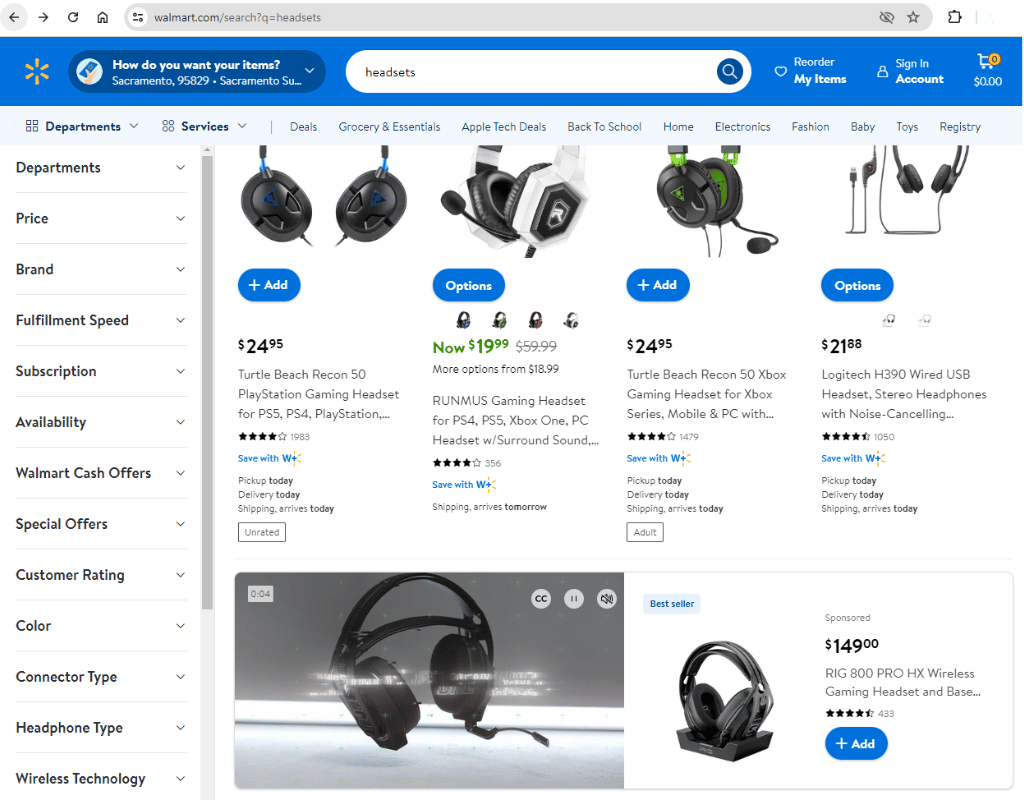
%25209.44.13%25E2%2580%25AFa.m..png)
Image source: Walmart.com
2. Listing Content Optimization
The second key factor in Walmart rankings is listing content. Walmart prioritizes listings that clearly explain the product and match shopper search intent.
Optimize these core elements to improve relevance and visibility:
- Product Titles: Clear, descriptive, and keyword-focused, place primary keywords early for maximum impact.
- Key Features & Descriptions: Scannable, benefit-driven content that answers shopper questions and supports long-tail searches.
- High-Quality Images: Multiple high-res images that showcase the product from different angles to boost clicks and trust.
- Attributes & Specifications: Complete, accurate structured data (size, color, material, etc.) to help Walmart categorize and surface your product.
- Keyword Integration: Natural use of relevant search terms throughout the listing, without stuffing, to reinforce relevance.
When these elements align, Walmart can confidently match your product to more searches, driving visibility and conversions.
Pro tip: Review and refresh listings quarterly based on performance data and seasonal trends.
%25209.31.57%25E2%2580%25AFa.m..png)
3. Keyword Performance and Metrics
The third factor is keyword performance, which is influenced by shopper behavior.
After a product appears in search results, Walmart monitors how customers interact with the listing. These interactions help determine whether the product should continue ranking for that search.
Key metrics include:
- Click-through rate
- Conversion rate
- Add-to-cart activity
- Sales velocity
When shoppers frequently click and purchase a product for a specific keyword, Walmart recognizes that product as relevant and strengthens its ranking.
This is why brands often see improved organic rankings after advertising campaigns generate engagement and sales.
%25209.51.07%25E2%2580%25AFa.m..png)
Why Content and Advertising Work Together
A common mistake brands make is treating listing optimization and advertising as separate strategies.
On Walmart Marketplace, these areas are closely connected.
Advertising drives traffic to listings, generating the shopper signals Walmart uses to evaluate ranking performance. At the same time, optimized content improves conversion rates, strengthening those signals.
When content and advertising work together, brands can:
- Improve keyword rankings
- Increase product visibility
- Strengthen organic performance
Brands that align their advertising strategy with listing optimization often see faster improvements in search placement.
👉🏻 You can set up your Walmart Connect Ad Center account here
Measuring Success Beyond Sales
Sales matter, but visibility metrics reveal true marketplace health.
Track these KPIs to evaluate presence:
- Share of Voice: How often your brand appears in search vs. competitors.
- Keyword Rankings: Whether your listings and ads are improving discoverability.
- Traffic & Engagement: Impressions, clicks, and add-to-carts that show pre-purchase interest.
Together, these signals show if your optimization efforts are working.
Practical Actions Brands Can Take Immediately
Small, strategic tweaks can drive meaningful visibility and sales gains.
Start with these quick wins:
- Review category placement: Ensure products are in the most relevant paths.
- Optimize listing structure: Clear titles, features, and keywords that communicate value.
- Align ads with keywords: Use campaigns to reinforce top search terms.
- Monitor rankings & Share of Voice: Track performance to spot new opportunities.
Consistent, incremental improvements compound into stronger marketplace performance.
%25202.48.38%25E2%2580%25AFp.m..png)
%25202.49.09%25E2%2580%25AFp.m..png)
These insights are drawn directly from our expert webinar. Watch the on-demand recording to dive deeper into these strategies and see how brands are successfully optimizing their rankings and visibility on Walmart Marketplace.
👉 Click here to watch the full recording