

Most brands treat Walmart.com and Walmart stores as two separate conversations. One team handles the digital catalog, another handles the merchant relationship. But Walmart stopped thinking that way years ago, and the brands that have not caught up are leaving real shelf space on the table. Growing from walmart marketplace to walmart stores starts the moment your first product goes live online. If you are building sales velocity on walmart.com right now, you are already building your pitch for physical retail whether you know it or not.
This guide explains how Walmart's omnichannel model works, why your .com data is the most persuasive tool you have in any line review conversation, and the specific steps brands use to turn digital performance into store placement. For more on growing your full Walmart strategy, visit the SellCord blog and resource center.
What Is Walmart's Omnichannel Strategy?
Walmart's omnichannel strategy is the integration of its physical stores and digital commerce into a single, unified retail operation where each channel actively supports the other. Walmart describes itself as a "people-led, tech-powered omnichannel retailer" serving approximately 280 million customers and members each week across more than 10,900 stores and its ecommerce websites worldwide. Physical and digital buying teams are now integrated under one P&L, and when you speak to a Walmart merchant, they are responsible for both the physical shelf and the digital shelf simultaneously.
This matters for every walmart marketplace seller because your .com performance is visible to, and evaluated by, the same people making in-store stocking decisions. Walmart's stores now function as fulfillment hubs for online pickup and delivery, which means strong digital demand in a region is a direct signal that in-store supply in that region is warranted. In its most recent quarter, Walmart reported global ecommerce sales growth of 26 percent, led specifically by store-fulfilled pickup and delivery , making the physical and digital connection more direct than ever. Walmart has also been investing heavily in its store network, modernizing locations to serve as faster, more convenient fulfillment points for both online and in-store shopping.
Understanding this model is the foundation of any serious in-store expansion strategy. Your online sales are not just revenue: they are proof of demand that Walmart's own merchants can read and act on.
Why Walmart Is Actively Blending the Digital and Physical Shelf
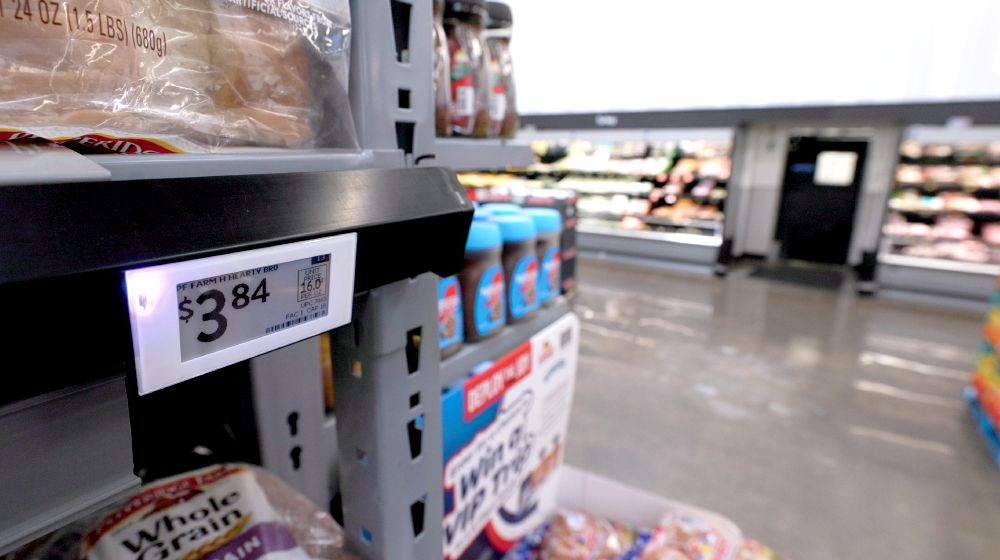
The line between the digital shelf and the physical shelf is closing faster than most sellers realize. At its 2025 Let's Grow! Marketplace Seller Summit, Walmart announced it is now showcasing marketplace items inside physical store locations, starting with QR code displays that give in-store shoppers access to the extended online assortment. Walmart's new Cypress, Texas location was the first to debut this model, with digital codes throughout the store allowing customers to discover and purchase marketplace products directly through the Walmart app.
Walmart's own senior vice president of Marketplace stated at the summit: "Walmart has become one of the fastest-growing ecommerce platforms by focusing on what matters most: integrity, seller success and delivering exceptional experiences for customers. Everything we're building is designed to accelerate seller growth and empower sellers to serve customers." For walmart marketplace sellers, this is the clearest signal yet that strong digital performance is no longer separate from in-store opportunity. It is the pipeline to it.
Why Your Walmart.com Data Is Your Best Merchant Pitch
When a brand walks into a line review with a Walmart merchant and pitches a new store item, the merchant's instinct is to ask: does this actually sell? The fastest way to answer that question is to already have sales data on Walmart's own platform.
A walmart third party seller has access to order data at a level of granularity that most 1P suppliers simply do not have during early conversations. You can export your order history and break it down by zip code, by state, and by region. That data becomes a heat map of exactly where your product resonates with Walmart customers today. SellCord's team has used this exact approach in live line reviews, presenting state-level marketplace sales data to merchants who were hesitant about store count and location. The merchant trusted the data because it came directly from Walmart's own customers purchasing on walmart.com.
When a merchant knows that a product is already selling thousands of units a month online in a particular region, the initial inventory risk of stocking that item in stores drops significantly. They know those same customers are already shopping in Walmart's physical locations. The .com buyer and the in-store buyer largely overlap, and proven online demand is the closest thing a merchant has to a guaranteed sell-through signal.
How to Use Your Walmart.com Performance to Earn Physical Shelf Space
1. Launch the Item on Walmart Marketplace First
Before you pitch any item for in-store placement, get it live on the marketplace and build a performance record. Mod reviews and line reviews happen on a set cycle, often six months or more apart. Rather than waiting for the next review window to pitch a new item cold, launch it on 3P first. Prove demand, collect reviews, build sales velocity, and then bring that data to your merchant. You are not asking them to take a risk on an unknown product: you are presenting a product that Walmart customers have already validated.
This approach also directly lowers Walmart's inventory risk on the initial buy. If you are already selling thousands of units of that item online each month, the merchant knows those units will move even faster through the store, because store-fulfilled delivery drives higher conversion and faster turns. Review SellCord's guide to scaling from marketplace to walmart stores for the full process once you have your data ready.
%25202.27.55%25E2%2580%25AFp.m..png)
2. Solve the Cold Start Problem Before Your Line Review
If you are planning to pitch a brand-new item for stores, launching it on 3P several months before the line review solves one of the biggest problems brands face: walking into a merchant conversation with projections instead of proof. Launching early allows you to build quality scores, accumulate customer reviews, and establish organic ranking before the 1P listing ever goes live. When the item eventually moves to 1P, it already has momentum, which drives faster velocity on day one.
Your walmart seller center data, listing quality score, conversion rate, and weekly units sold, becomes documentation you can present directly to your merchant as evidence of product viability. A product with three months of clean sell-through data on walmart.com is a vastly more persuasive pitch than a slide deck with projections.
3. Build Sales Velocity Deliberately
Online sales velocity is one of the most important signals a merchant uses to evaluate a brand's readiness for stores. A product with a strong conversion rate, consistent in-stock history, and growing weekly sales tells a much better story than a product that launched and flatlined.
To build velocity, nail the fundamentals: optimize your walmart product listing for discoverability, price competitively, and maintain consistent in-stock rates. Walmart cares deeply about conversion rate, not just sales volume. A listing that earns clicks and converts them at a high rate signals real consumer demand, which is exactly what a merchant needs to see before committing store space. Pairing strong listing fundamentals with a focused walmart advertising strategy accelerates velocity and builds the kind of sales history that transforms your line review conversation.
%25202.29.20%25E2%2580%25AFp.m..png)
4. Expand Your Digital Assortment to Increase Share of Voice
One of the most overlooked moves for brands targeting in-store placement is expanding their 3P assortment beyond what they currently sell in stores. If you have one SKU in-store, launching your full product line on 3P accomplishes two things at once: it captures every customer who searches your category, and it builds brand recognition across the digital shelf that reinforces your in-store position with the merchant.
Share of voice on the digital shelf works exactly the same way it does in a physical store aisle. More listings from your brand mean more category dominance. When a merchant reviews your brand and sees strong digital share of voice across your category, it signals that your brand has genuine consumer traction, not just a single item that converted once. Understanding the walmart 1P vs 3P selling model is essential to planning this expansion intelligently.
5. Use Your Order Data as Geographic Proof
Pull your 3P order data and break it down by state and zip code. This is the heat map that shows your merchant exactly which stores are most likely to move your product. Rather than requesting a national rollout and hoping for the best, you arrive with a targeted test recommendation backed by real demand data from Walmart's own customers. Merchants respond to this because it demonstrates you understand Walmart's ecosystem and that you have done the analytical work to reduce their risk.
SellCord has presented this kind of state-level marketplace sales data in live line reviews, helping merchants determine which regions and demographics to target for a test rollout. The data is trusted because it originates from actual Walmart purchases, not third-party estimates.
6. Be a Strategic Partner, Not Just a Vendor
Walmart is explicitly a partner-centric company. Merchants notice which brands invest in Walmart's programs, adopt new tools early, and show up as participants in the platform's growth rather than passive listings. Early adoption of Walmart Connect advertising, marketplace expansion, and programs like WFS signals that your brand is aligned with Walmart's priorities. Brands that demonstrate this kind of commitment get prioritized for future opportunities, including in-store expansion.
Walmart's buying teams recognize brands that participate actively in the omnichannel ecosystem. If your Walmart.com presence is passive, listed but not actively managed, it sends the opposite signal to the merchant reviewing your brand for physical placement.
1P, 3P, and Store-Shared: How the Models Connect
Almost all store items are store-shared, meaning customers can buy in-store and also online with pickup or delivery. This makes your 3P .com velocity directly translatable to store demand signals because the online and in-store customer base largely overlap. Walmart is also now actively bringing marketplace items into physical stores through in-store QR code displays, creating a new discovery surface that did not exist even one year ago.
%2010.30.51%E2%80%AFa.m..png)
Common Mistakes Brands Make on the Path to Walmart Stores
Pitching stores before proving it online. Walking into a line review without Walmart.com sales data means asking a merchant to take all the risk. The data you build on the marketplace is what eliminates that risk from the conversation.
Treating 3P as temporary. Some brands abandon marketplace once they enter stores. This misses the real value: a strong 3P presence after entering stores expands your digital assortment, protects your share of voice, and keeps producing merchant-ready data for future store count growth.
Ignoring listing quality scores. A walmart marketplace seller with poor content quality signals to a merchant that the brand is not actively investing in its Walmart presence. Your listing quality score is visible and it reflects your level of commitment to the platform.
Letting in-stock rate slip. Frequent stockouts on .com tell a merchant your supply chain cannot handle volume. Consistent availability is one of the non-negotiable requirements Walmart evaluates before expanding a brand's physical footprint.
Missing the partnership signal. Investing in Walmart Connect, participating in programs, and being responsive to merchant initiatives costs little but demonstrates enormous commitment. Brands that skip these steps are significantly harder to prioritize when new shelf opportunities arise.
Frequently Asked Questions About Walmart Marketplace to In-Store Placement
How does selling on Walmart.com help you get into Walmart stores?
Your walmart.com sales create a verified performance record that merchants use to evaluate store viability. Sales velocity, conversion rate, and regional demand data all inform a merchant's view of your brand's readiness for physical retail. Proven online demand significantly reduces the inventory risk on an initial store buy, making it far easier to earn placement and a test rollout.
What data does Walmart use to decide which brands get shelf space?
Walmart merchants review a combination of digital performance and strategic fit. Key signals include sales velocity on walmart.com, conversion rates, in-stock consistency, category share of voice, and geographic demand patterns. A brand that presents marketplace sales data broken down by state or zip code gives a merchant the exact regional intelligence needed to plan a store test with confidence.
How do you pitch a Walmart merchant for in-store placement?
The most effective pitch leads with data, not promises. Use your walmart marketplace sales history to show proven demand, present a geographic heat map of where your product sells best, demonstrate consistent in-stock rates, and show that you have invested in Walmart's programs. Coming in as a partner who has already done the work is far more persuasive than a cold pitch with no Walmart performance history behind it.
What is the difference between Walmart 1P and 3P selling?
Walmart 1P means Walmart buys your inventory and becomes the retailer. Store items are almost always 1P or store-shared. Walmart 3P means you list and sell your own inventory through the walmart marketplace, retaining price control and promotional flexibility. For most brands pursuing in-store placement, 3P is the proving ground: build demand data on the marketplace, then use that data to pitch your merchant for a 1P store buy.
How does Walmart's omnichannel strategy affect marketplace sellers in 2026?
Walmart's physical and digital buying teams operate under a single P&L. Your walmart ecommerce performance is visible to the same merchants making in-store decisions. Every optimization you make to your listings, in-stock rates, and advertising strategy also builds the case for physical shelf placement. Walmart is now even displaying select marketplace items inside physical stores through QR code discovery, making the bridge between digital and physical more direct than it has ever been.
Conclusion
Growing from walmart marketplace to walmart stores is not a separate strategy, it is the same strategy, executed well. Every unit you sell on walmart.com adds to a performance record that Walmart's own merchants evaluate when making stocking decisions. The brands winning shelf space in 2026 are the ones treating their marketplace presence as a proof-of-concept engine, building velocity deliberately, and walking into line reviews with regional demand data instead of slide decks full of projections. Walmart's omnichannel model means the wall between the digital shelf and the physical shelf no longer exists. Perform well on one and the other follows.
Your Walmart.com sales are already doing the work. Now let's get your brand on the shelf. SellCord's OnShelf program helps brands use their marketplace performance to earn physical store placement at Walmart.
👉🏻 Start the conversation