
Author: Krishna Sreeram
Director of Advertising SellCord
Should you run automatic or manual campaigns on Walmart?
You don't have to guess. You can buy the answer for a few days of budget.
Auto and manual are not rivals. They are a pipeline. Auto finds the search terms that convert. Manual takes those winners and scales them with control.
Run them in that order and your first campaign becomes a paid research project. One that pays for itself.
This post walks the loop end to end, plus the one report that makes it work.
What automatic campaigns actually do
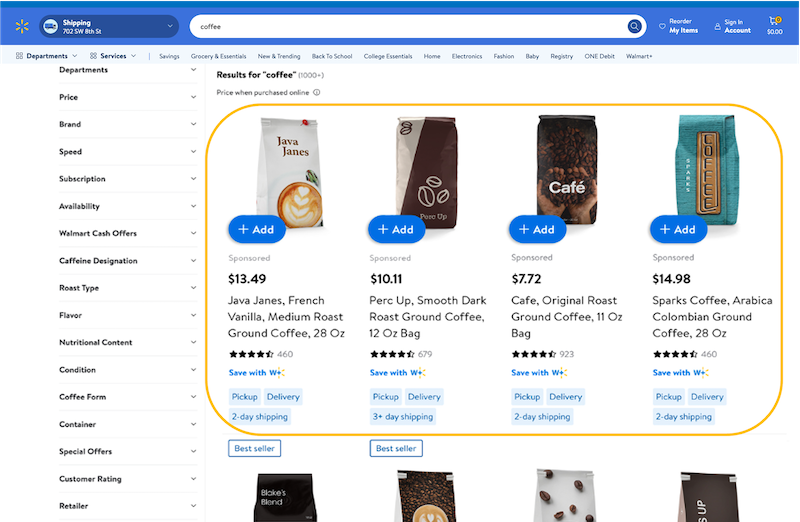
Automatic campaigns are the fastest way to get live. You set a bid at the ad group or product level, and Walmart's algorithm decides which search terms and browse queries to match you against. It surfaces your items across all placements: search in-grid, product pages, and browse.
You give up keyword control. You gain reach.
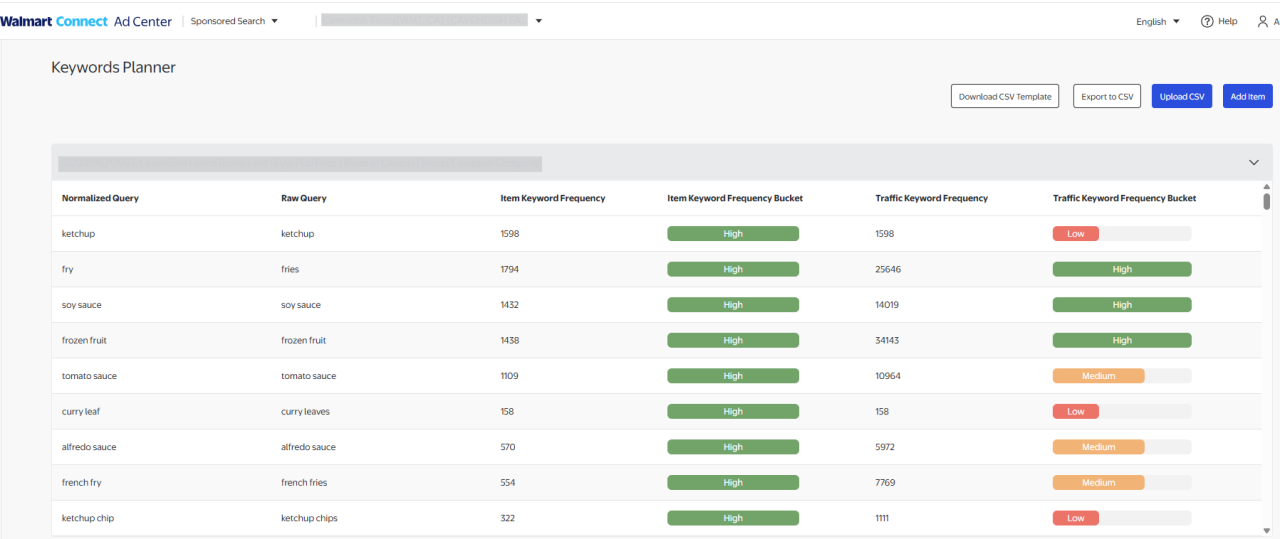
More importantly, you gain data. Auto shows you what real shoppers type before they buy, including terms you would never have brainstormed.
Turn on dynamic bidding and the algorithm adjusts your bid in real time. Up to +100% when a click looks likely to convert, down to -50% when it does not. So auto is not just casting a wide net. It leans into the queries that perform.
What manual campaigns do
Manual is the opposite trade. You pick the keywords, you set the bid for each one, and you choose the match type: exact, phrase, or broad.
Fewer placements. More precision.
Manual is where you put money behind terms you already trust. You are not discovering anymore. You are scaling with intent.
The catch: if you launch manual first with a keyword list you guessed at, you are betting blind. Most beginners overpay on terms that never convert and miss the ones that do.
Manual should be fed, not guessed.
The auto-first harvest loop
Here is the sequence that works:
- Launch an automatic campaign. Let it run 7 to 14 days until it has real click and conversion volume.
- Pull the search terms auto found for you.
- Promote the winners (converting terms with efficient spend) into a manual campaign as exact-match keywords, with a bid you control.
- Add those same winners as negatives in the auto campaign so it stops spending on terms you have already graduated. Now auto is free to keep hunting new terms.
- Repeat. Auto keeps discovering, manual keeps scaling.
This is the whole game. Auto is your discovery engine. Manual is your scaling engine. The loop between them compounds every cycle.
Mining the Item Keyword Performance report
The report that powers the loop is Item Keyword Performance. This is where auto's discoveries live.
The step most people miss: filter by Match type = 'Unknown'. Those are the search terms Walmart matched you to automatically, the ones the algorithm found that you never bid on.
That filtered view is your harvest list. Sort by conversions and spend, and the winners jump out.
Grab the terms with strong conversions and acceptable cost. Those become your next manual exact-match keywords. The losers become negatives.
One ceiling to respect: an ad group caps at 1,000 keyword and match-type combinations. You will not hit that early. But as you harvest cycle after cycle, prune dead keywords so you do not clog the group with terms that stopped converting.
A rule for auto vs manual as you scale
Simple rule: auto never turns off, manual is where budget grows.
Early on, auto does most of the work because you have nothing to scale yet. As you harvest, budget shifts toward manual, where you control bids on proven terms.
But auto stays live permanently at a smaller budget. Shopper language changes. New competitors appear. Seasonal terms emerge. Turn auto off and you go blind to all of it.
In our experience, the accounts that scale don't pick one. They run both, in a loop, and keep it running.
1P vs 3P: what changes for each
The loop is identical for both. The economics and setup differ.
3P (Marketplace Sellers): This is the cheapest test on the platform. At $10/day, you can run an auto campaign, harvest for two weeks, and learn the entire loop for the price of a lunch. Low stakes, high learning. Do this before you scale anything. Nail the mechanics on one product, then repeat across your catalog.
1P (Suppliers): Your auto campaign floor is higher, often around $50/day. At that spend, a single item will burn through budget without generating enough keyword variety to harvest from. The fix is to launch 10 or more items per auto campaign, so the spend spreads across products and produces a rich search-term list. One more thing suppliers must watch: Stock Up placements can slip into your auto mix and eat budget. Check your placement report and make sure auto spend is going where you intend.
Rule of thumb: 3P uses the loop to learn cheaply. 1P uses it to make a higher mandatory spend actually productive.
Closing thought
The auto-to-manual harvest loop comes down to fundamentals:
- Launch auto.
- Filter Item Keyword Performance by Match type = Unknown.
- Graduate winners to manual.
- Negate them in auto.
- Repeat.
Cheap to start. Compounding over time.
The concept is easy. The discipline is the hard part: running the loop every week, sized correctly for your seller type, without letting winners rot or budget drift to Stock Up.
That is what we build. SellCord designs campaign architectures sized for your seller type, 1P or 3P, that graduate winning keywords automatically so the harvest loop runs without you babysitting it. If you want the structure done right from day one, talk to the SellCord team today.