
Most Walmart marketplace sellers assume that strong sales on Walmart.com will eventually get noticed and turn into a store deal on its own. It does not work that way. Walmart buyers evaluate walmart in-store placement requirements the same way any retail buyer evaluates risk: with data, timing, and proof that a supplier will not fall apart the moment the order size grows. If you sell on the walmart marketplace and want to understand what actually moves a buyer to say yes, you need to see the process from their side of the desk. Before diving into the specifics, it helps to understand walmart 1p vs 3p selling models, since the path to a physical shelf almost always runs through one or both of them. This article walks through what a Walmart merchant is actually looking at, the proof points that matter most, and the exact stages a product typically moves through on the way to a physical shelf.
What Are Walmart's In-Store Placement Requirements?
Walmart's in-store placement requirements come down to three things a merchant needs to see before they take on the risk of a physical order: proven online demand, operational reliability, and a product that fits a real gap in their assortment. Walmart's own supplier requirements page outlines the baseline compliance and documentation every supplier must meet regardless of channel. A merchant is personally responsible for both the physical and digital performance of their category, which means a live, selling history on the walmart marketplace with consistent in-stock rates matters more than a pitch deck.
Why Does This Matter for Walmart Sellers?
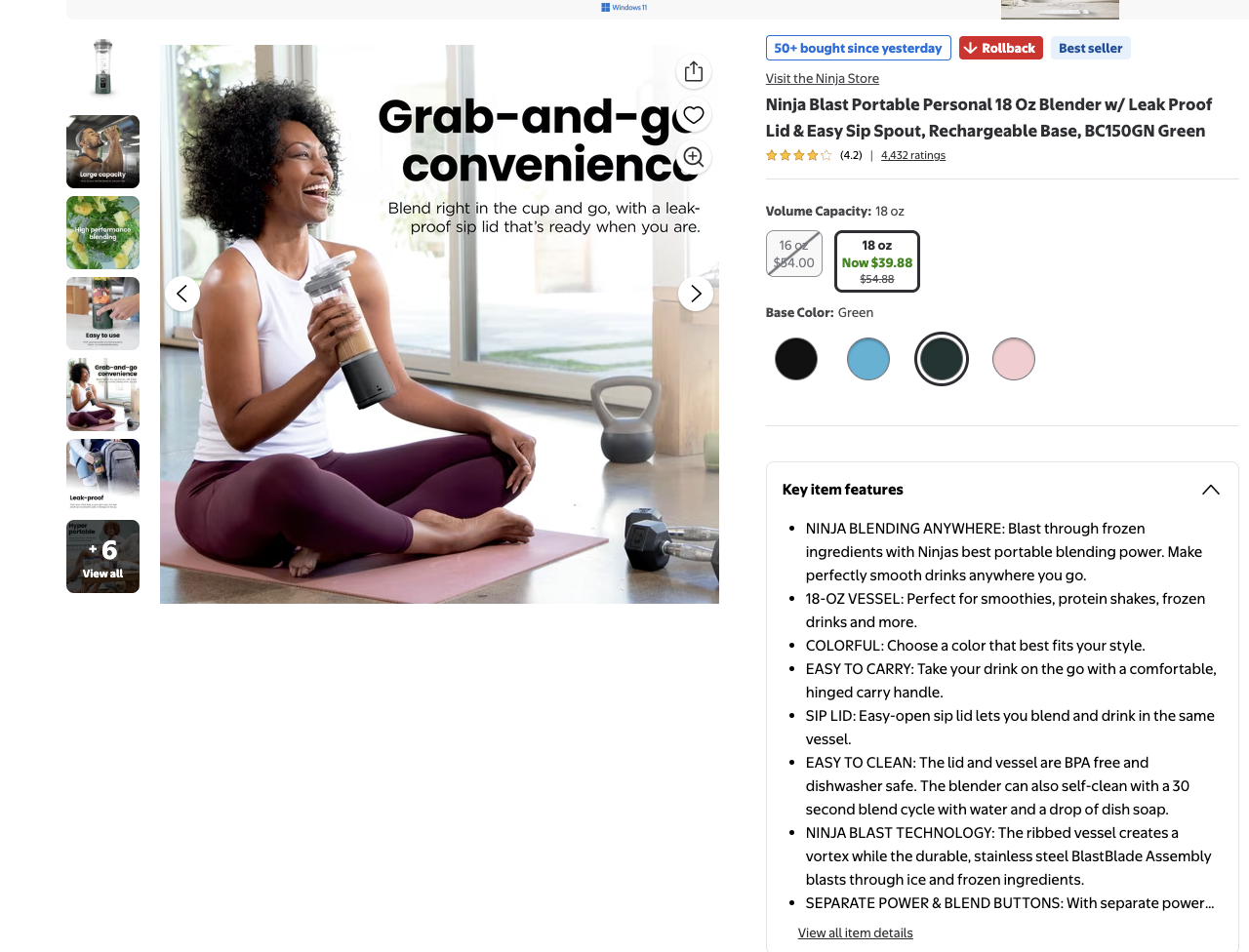
Ignoring these walmart buyer requirements has real consequences. Sellers who approach a merchant without a sales record get treated as an unknown risk, which usually means a slower or smaller test. Sellers who go out of stock during an early store test can damage a buyer relationship badly enough that it does not recover for years. And sellers who treat their walmart product listing as an afterthought lose the one thing that actually gets a buyer's attention: visible proof that customers already want the product. Merchants are now watching walmart ecommerce performance as closely as they watch store sales, because their own internal goals depend on it.
How Walmart Buyers Decide on In-Store Placement: Step-by-Step
1. Build a Real Sales Record on Walmart Marketplace First
Before any in-store conversation is realistic, a seller needs to be live on the walmart marketplace with a genuine, trackable sales history. Review Walmart's own onboarding requirements before applying, since approval standards apply regardless of your end goal. Most sellers should plan on six to eight months of consistent selling before starting direct outreach to a buyer. A storage and organization brand with nothing unique about its products used exactly this approach and went from a fresh launch to fifteen SKUs placed nationwide within about a year and a half, simply by proving demand first.
2. Track the Metrics a Buyer Actually Looks At
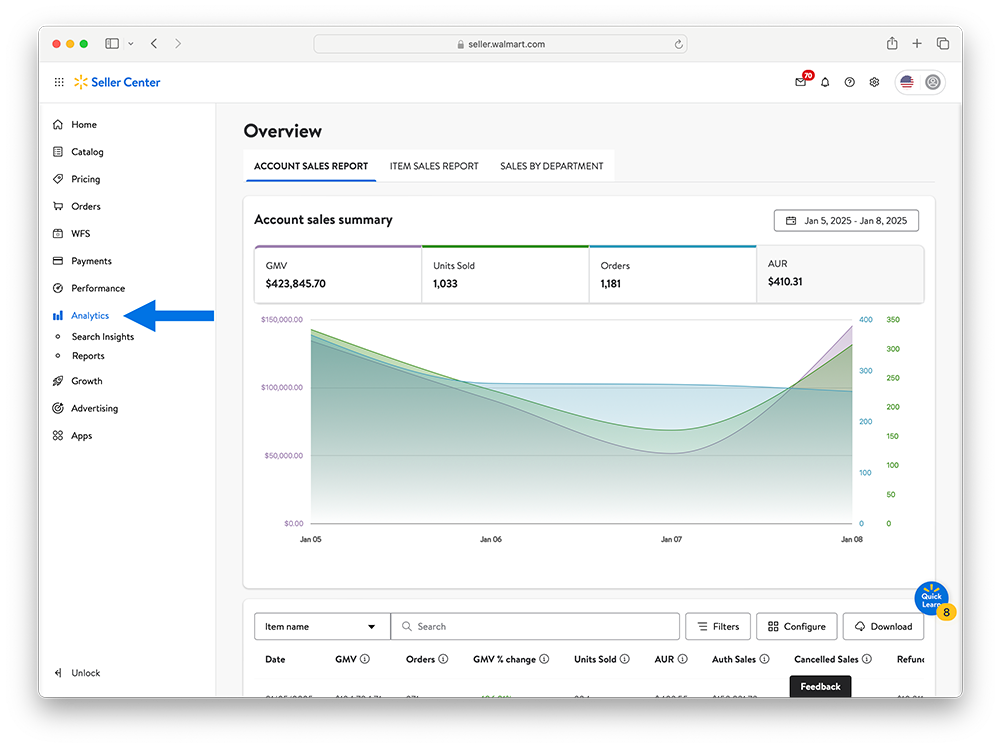
Inside walmart seller center, the Search Insights reports show sales rank, impression rank, click rank, and cart rank for your category, similar to how Amazon sellers track best-seller rank. This is the specific proof a merchant can act on. Strong movement here also supports winning the walmart buy box, which compounds the visibility a seller needs before a buyer conversation even starts.
3. Understand the Line Review and Mod Reset Calendar
Walmart categories go through periodic mod resets and line reviews, often six months or more apart, when a merchant decides which brands get shelf space for the next cycle. A seller who builds six to eight months of sales data but misses a category's review window by even a few days may need to wait for the next cycle. Consistency over a full year matters more than a single strong quarter.
4. Prove Reliability Through a 1P Test Order
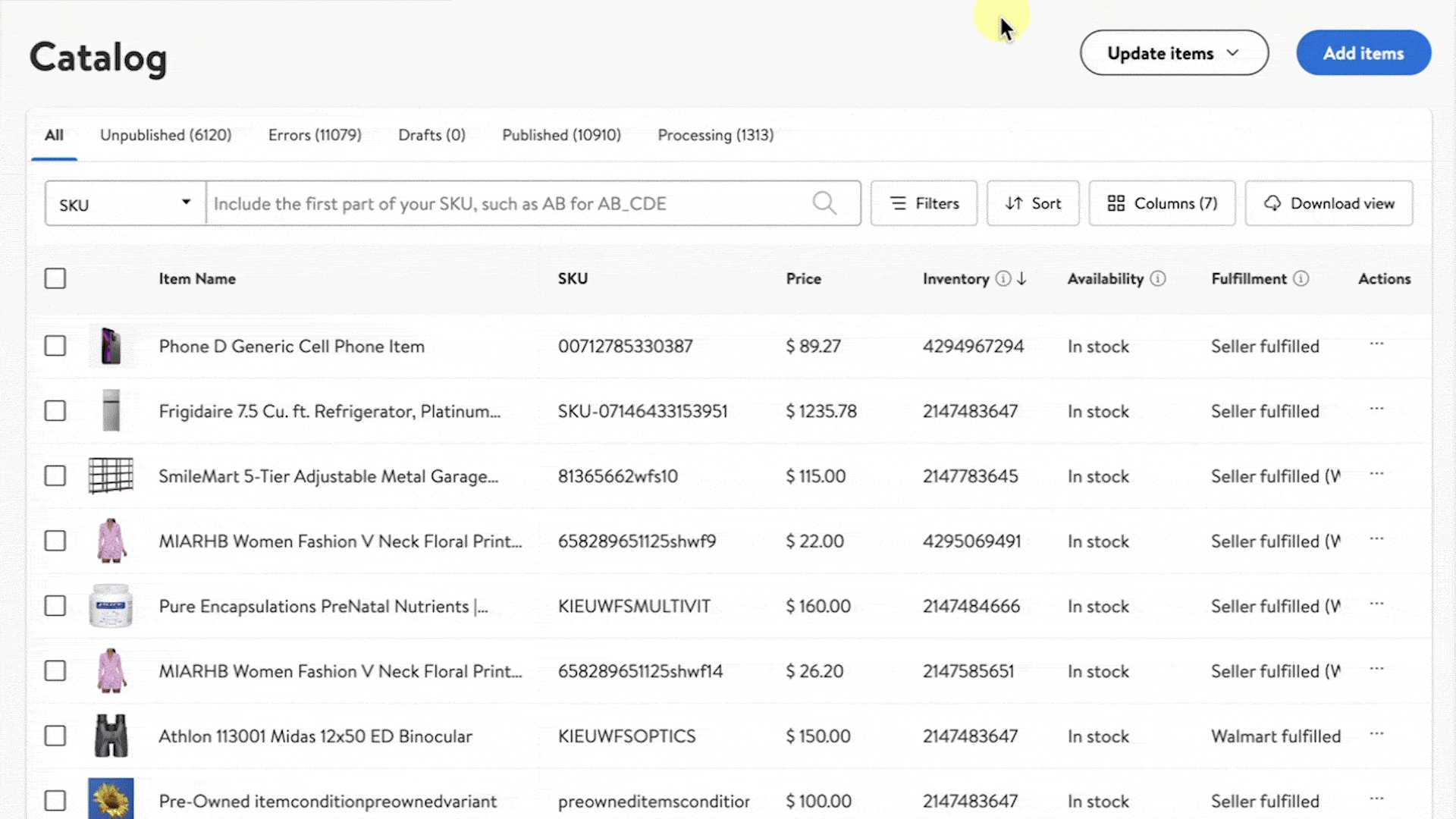
In most categories, the same buyer who evaluates in-store placement also manages the 1P.com business, which makes a 1P test order the real proving ground before any store commitment. Sellers who never run out of stock during this phase build exactly the kind of trust that leads to a larger commitment. This is also where disciplined walmart inventory management stops being optional and starts being the difference between a bigger order and a burned relationship.
5. Scale Through Door Counts, Not All at Once
Walmart rarely launches a new supplier nationwide on the first attempt. A merchant is far more likely to start with a regional test, commonly around 250 doors, before expanding to 500 and eventually 1,000 or more stores as sell-through data comes in. Preparing packaging and mockups for exclusive SKUs in advance shows a merchant that a seller is ready to move at Walmart's pace.
6. Know the Fast-Track Path: Walmart Open Call
Not every brand has to move through the full sequence above. Walmart's annual Open Call event , aimed at brands making products in the U.S., gives sellers a direct pitch meeting with a Walmart or Sam's Club merchant, and standout pitches can walk away with a golden ticket representing an on-the-spot commitment. This path suits sellers with a distinctive, patentable, or genuinely differentiated product.
Common Mistakes Walmart Sellers Make Pursuing In-Store Placement
Sellers chasing walmart in-store placement requirements tend to repeat the same handful of mistakes. Treating Walmart like a copy of an Amazon strategy is one of the biggest; for sellers making that jump, our guide on expanding from Amazon to Walmart covers the operational gaps that trip people up. Reaching out to a buyer too early, before there is any sales history to point to, wastes the one shot most sellers get at a first impression. Underestimating the operational demands of a 1P or in-store order is another common failure point. Finally, some sellers assume that earning pro seller status or landing a 1P order means the rest happens automatically. It does not. Sellers still need strong content and active advertising to make the most of the opportunity once it arrives.
Frequently Asked Questions About Walmart In-Store Placement Requirements
How long does it take to get into Walmart stores?
Most sellers should expect a minimum of six to eight months of consistent walmart marketplace sales before a buyer conversation becomes realistic, and the full path to a nationwide store presence is typically a two to three year process.
Do you need to sell on Walmart Marketplace before getting into physical stores?
In nearly all cases, yes. Building sales history as a walmart third party seller gives a merchant real, verifiable proof of demand before they take on the risk of a physical order.
What does a Walmart buyer look for before offering shelf space?
Consistent sales velocity, reliable in-stock performance, and a product that fills a genuine gap in their category, backed by Search Insights data inside walmart seller center rather than a seller's own claims.
Is there a fee to get your product into Walmart?
There is no fee to apply or participate in Walmart's supplier programs, including Open Call, though sellers should expect real costs tied to compliance, packaging, logistics, and operational readiness.
Can Amazon sellers get into Walmart stores?
Yes, and brands with existing e-commerce experience often move faster. The main adjustment is learning Walmart's specific replenishment process and its walmart seller center metrics, which differ from Amazon's systems.
Conclusion
Getting a product onto a physical Walmart shelf is not about a single great pitch. It is about meeting walmart in-store placement requirements the same way Walmart's own merchants are measured: consistent digital performance, reliable operations, and the right proof at the right point in the review cycle. Sellers who treat their walmart marketplace presence as the foundation put themselves in the strongest position when a buyer is finally ready to talk shelf space. For more on growing your full strategy, visit the SellCord Walmart resource center.
Want expert help turning your Walmart marketplace performance into in-store growth? SellCord's OnShelf program helps brands build the buyer-ready proof points covered here.
We covered all this in our last podcast episode, watch it now 👉🏻